Make Every Drop Count in Your North Texas Yard
A North Texas yard has to stand up to strong sun, long dry spells, and watering rules that can change fast. Sprinklers work hard in these conditions, and water bills feel it. A water-wise yard helps your grass and plants stay healthy without pushing your sprinkler system to the limit.
When you plan your yard with water in mind, everything starts to work together. Smart plant choices, better soil, and a thoughtful layout all support your sprinklers so they run less often and work more efficiently. Pair that with regular sprinkler system maintenance in McKinney and you get a yard that looks good and uses water responsibly.
As a family-owned irrigation contractor serving Collin and Denton Counties, we work with local soils and watering schedules every day. We see what survives the heat and what struggles. The ideas below come from what actually works in our area, not from a generic gardening book.
Design Your Yard to Work With Water, Not Against It
Good design is the first step in a water-wise yard. Before you think about new plants or new sprinklers, think about how you use your space and where water naturally wants to go.
One simple idea that makes a big difference is grouping plants by water needs, also called hydrozoning. For example:
- Keep high-water plants together in one zone
- Put low-water natives and shrubs together in another
- Avoid mixing thirsty plants in with drought-tolerant ones
- Keep high-use turf only where you truly need it
This setup makes it easier to water each area the right amount instead of soaking everything the same way.
Layout and grading also matter a lot. Slopes, low spots, and hard surfaces can cause:
- Runoff that wastes water and carries it down the sidewalk
- Dry patches on high spots that never seem to get enough
- Puddles that lead to weak roots and dead patches
When you plan a new yard design or a big refresh, it helps to bring an irrigation contractor in early. That way, sprinkler heads, zones, and the controller can be designed around the new layout. It is much easier and more efficient than forcing a new yard to work with an outdated sprinkler pattern that no longer matches the space.
Choose Plants and Turf That Thrive in North Texas Heat
Water-wise landscaping starts with choosing plants that actually want to live here. In our area, some grasses and groundcovers can handle sun, heat, and occasional drought better than others when they are paired with smart watering.
Good options often include:
- Warm-season grasses like Bermuda or Zoysia in sunny, high-traffic areas
- Native or adapted groundcovers where grass is hard to maintain
- Shrubs and perennials that are known to be drought-tolerant
If you have thin strips of grass along driveways, parkways, or tight corners, those spots are usually hard to irrigate and lose water fast to heat and pavement. Many homeowners do better by changing those narrow spaces to:
- Native planting beds
- Shrubs with drip irrigation
- Decorative gravel or stone with a few hardy accent plants
Plant maturity and root depth also change how often you need to water. Young plants and new sod need more frequent, careful watering at first. As plants grow deeper roots, they can handle longer breaks between watering. Deep-rooted natives, well-established shrubs, and mature trees often do best with deeper, less frequent watering. That makes sprinkler scheduling simpler and reduces the chance of overwatering.
Upgrade Sprinkler Technology for Smarter Water Use
Even a well-planned yard can waste water if the sprinkler system is outdated or poorly tuned. Modern irrigation tools help you match watering to what your yard actually needs, day by day.
Smart Wi-Fi controllers, rain sensors, and soil moisture sensors can:
- Adjust run times based on recent weather
- Skip watering after a good rain
- Cut back on watering during cooler, cloudy stretches
- Prevent watering when the soil is already holding enough moisture
Hardware upgrades also help. High-efficiency nozzles can apply water more evenly and more slowly, which helps it soak in instead of running off. Pressure regulation can keep spray patterns consistent across the whole system. For beds and foundation plantings, drip irrigation puts water at the soil line rather than throwing it into the air, which reduces overspray and wind drift.
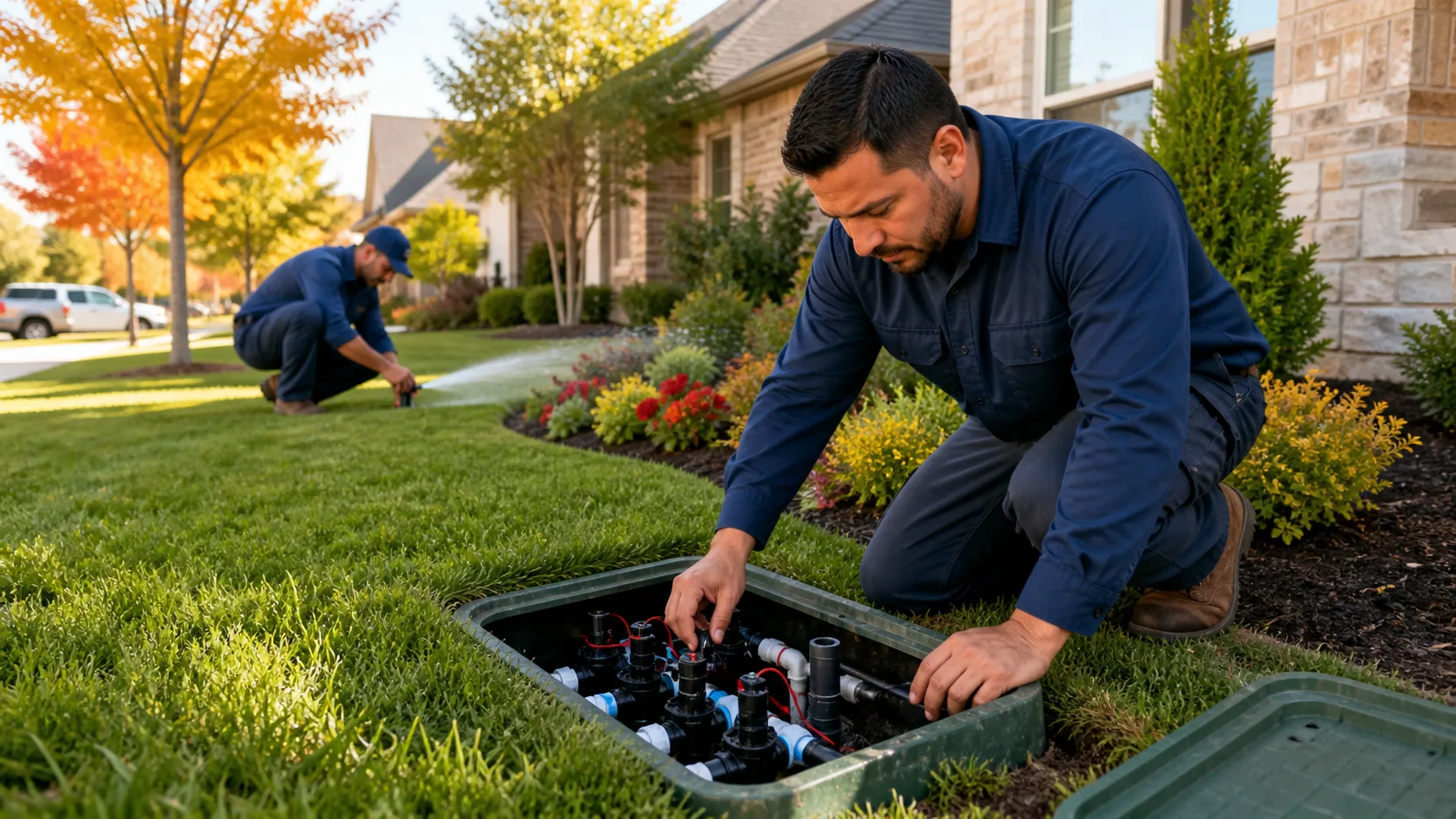
Of course, even the smartest system needs regular care. Annual sprinkler system maintenance in McKinney gives a professional a chance to look for leaks, clogged nozzles, misaligned heads, and zones that no longer match the way you use your yard. When your irrigation is tuned to your design and your plants, water-wise ideas pay off much more.
Improve Your Soil so Your Sprinklers Work Less
In much of Collin and Denton Counties, we see heavy clay soil. Clay can be tricky. Water tends to sit on top, run off, or create slick puddles instead of sinking in evenly. That leads to dry roots in some areas and soggy roots in others, even when you feel like you are watering enough.
There are a few water-wise practices that help your soil work with you:
- Core aeration to open up tight clay and let water move down
- Compost topdressing to add organic matter near the root zone
- Mulch in beds to keep soil cooler and slow down evaporation
Organic matter is a quiet hero in a yard. As compost breaks down in the soil, it creates tiny pockets that can hold both water and air. That lets you water in shorter, deeper cycles, since the soil can store more moisture between watering days. Grass and plants respond with stronger roots and better drought resilience.
Seasonal habits matter here too. Refreshing mulch in spring helps protect roots before the hottest months. Aerating in late spring or fall can prepare your lawn for better water use during peak growth. Adjusting your sprinkler schedules with the seasons keeps you from watering like it is peak summer all year long.
Put a Water-Wise Plan in Place Before Summer Hits
The best time to get serious about water-wise changes is before your yard is under stress. When the days start getting longer, take a little time to look at your yard and sprinkler system together so you can fix small issues before they turn into bare spots or dead shrubs.
A simple starting checklist is:
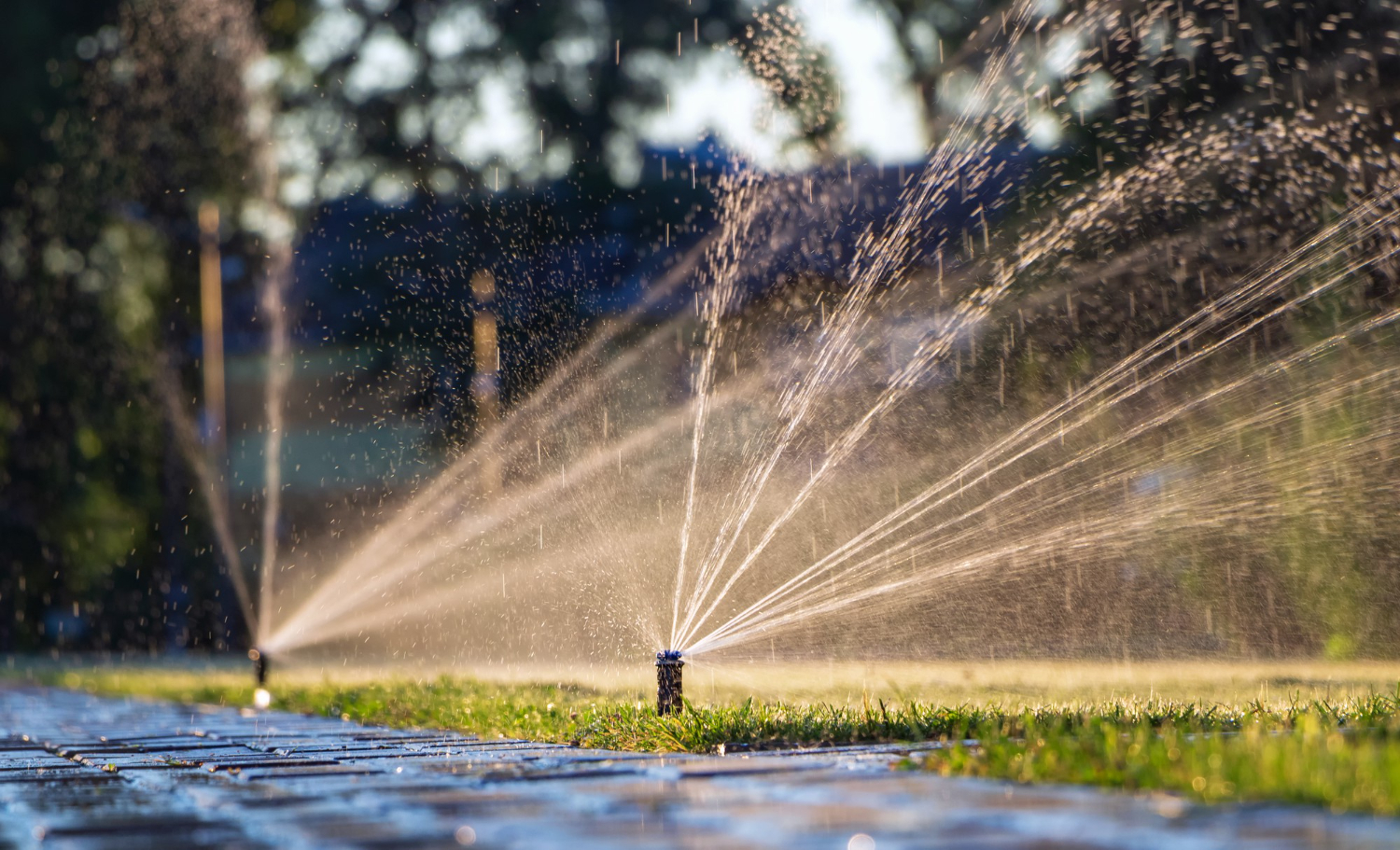
- Walk the yard while the sprinklers run and watch for overspray, dry patches, or soggy areas
- Note any plants that struggle every summer, even with regular watering
- Look for small turf areas that are hard to mow or irrigate and consider switching them to beds
- Check that heads are clear of grass and plants and pointed in the right direction
- Review your controller settings for season-appropriate run times and start times
By pairing thoughtful design, smart plant choices, updated sprinkler technology, and healthier soil, you set your yard up to use water more wisely. A water-wise plan supports your sprinkler system instead of forcing it to do all the heavy lifting, and your North Texas yard looks better for it.
Keep Your McKinney Lawn Healthy All Year Long
Consistent care is the key to a reliable, efficient irrigation system, and our team at Fellows Irrigation Services is ready to help you stay ahead of costly problems. Explore our tailored sprinkler system maintenance in McKinney to keep your system performing at its best through every season. If you are ready to schedule service or have questions about your specific setup, contact us so we can recommend the right maintenance plan for your yard.