Stop Waterlogged Lawns Before Spring Storms Hit
Spring storms hit McKinney hard, and if your yard already has soggy spots, they only get worse once the rain keeps coming. Our North Texas clay soil does not let water soak in very fast, and many lots are pretty flat, so water has nowhere to go. That is why some lawns stay wet long after the rain is gone.
When drainage is not working, you start to notice things like lingering puddles, mushy turf that squishes when you walk, or standing water near your foundation or patio. You may also catch a damp, mildew smell around low areas, and you might see grass and plants thinning out or dying in the same spots.
French drain installation in McKinney is one smart way to get ahead of those problems. By planning before the heavier late spring storms, you can protect your lawn, your foundation, and your landscaping instead of fighting muddy messes all season long.
How McKinney Yards End up Soggy and Damaged
North Texas soil is known for being heavy and dense. When storms roll through, the clay holds water near the surface instead of letting it soak down. After a strong round of rain, that can leave wide, shallow pools that stick around for a long time.
On top of the soil type, many newer neighborhoods were graded to move water when the homes were first built. Over time, things change. Soil can settle and create small dips and low areas, and new patios, sidewalks, and pools can redirect water in odd ways. Added flower beds or edging may block natural water paths, and downspouts and gutters sometimes send water to the same overworked spots.
If those wet zones are ignored, trouble grows slowly but steadily. Constant moisture can cause:
- Root rot in turf and landscape plants
- Bare patches and thin grass that never quite fill in
- Erosion around walkways, driveways, and fence lines
- More mosquitoes breeding in standing water
- Extra moisture around patios and the foundation
By the time the lawn looks stressed or the ground feels soft near concrete, water has already been a problem for a while. A planned drainage fix, instead of a quick patch, helps stop that cycle.
Smart Planning for French Drain Installation in McKinney
A good French drain starts with understanding how water moves on your property. A surface walkthrough during or right after a rain can tell us a lot, including the highest and lowest points in the yard, where downspouts discharge, and where that water ends up, how water flows between houses and along fence lines, and which spots near the home stay wet the longest.
Once we see the full picture, we can design a French drain that quietly collects and carries water away. Key design points include:
- Proper slope so gravity keeps water moving through the pipe
- The right trench depth and width for your soil and yard layout
- Quality perforated pipe that lets water enter along its length
- Washed gravel that lets water flow while supporting the pipe
- Drainage fabric that helps keep soil from clogging the system
Every French drain needs a safe, legal place to send the water. That might mean:
- Outletting at the street curb cut
- Running to an alley or rear drainage area
- Tying into an approved drainage easement
It is also important not to push water onto a neighbor’s yard. A thoughtful plan respects property lines and local requirements so the fix does not create a new problem next door.
Where a French Drain Works Best in Your Landscape
French drains shine in certain problem areas where water likes to gather below the surface. Common spots where they work especially well include:
- Narrow side yards where water funnels between houses
- The base of gentle slopes where water collects and stalls
- Along fence lines where soil settles and ruts form
- Low lawn or flower bed areas that stay soggy after storms
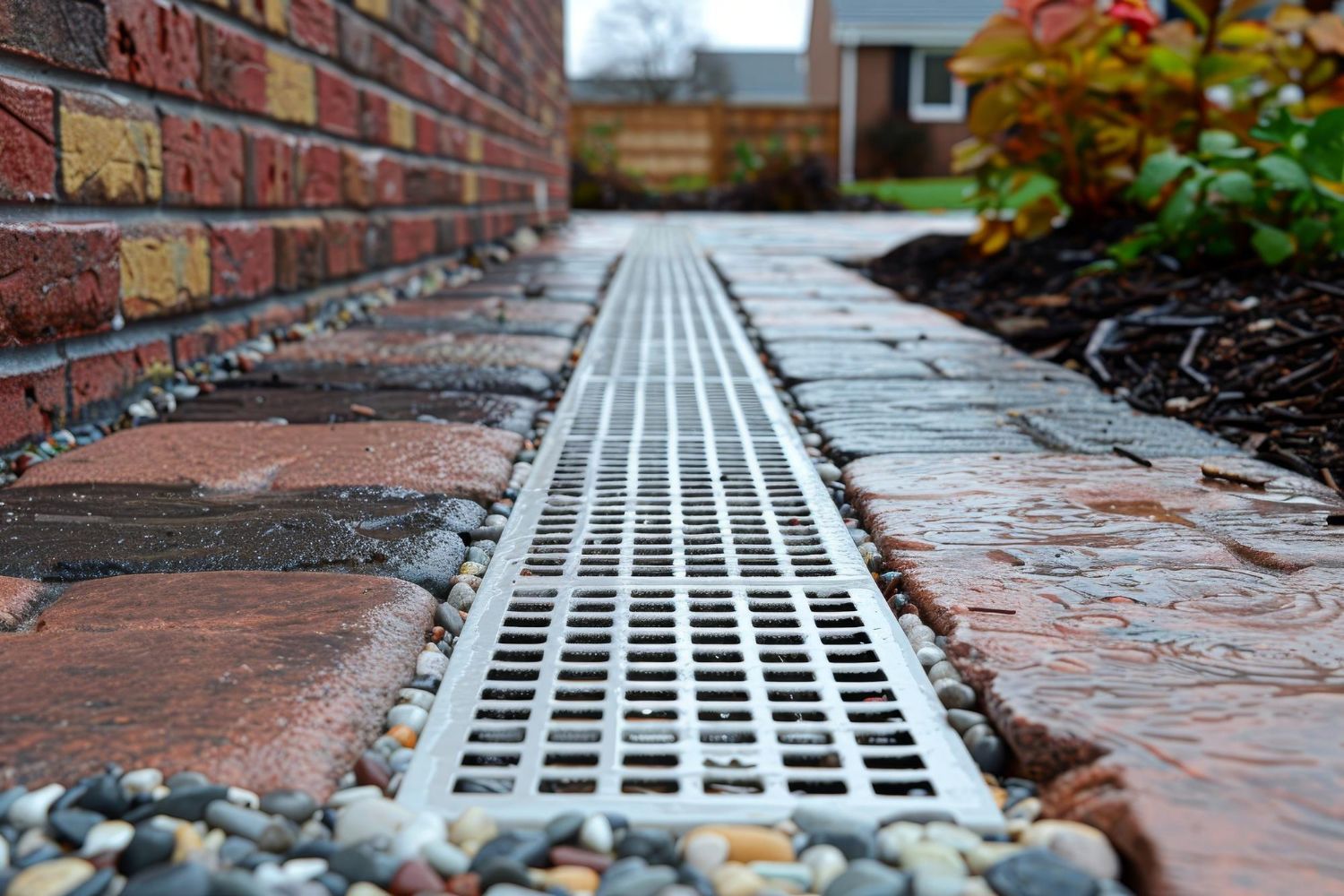
Sometimes a French drain is a better answer than surface drains alone, especially when water is soaking into the soil and keeping it saturated. Surface drains help with big puddles on top, but a French drain can:
- Catch water that is just below the surface
- Dry out soft, sponge-like turf
- Protect plant roots from sitting in wet soil
In other cases, a mix of solutions works best. We may pair a French drain with:
- Catch basins in the worst puddle zones
- Downspout tie-ins so roof water goes straight into the system
- Small grading adjustments to guide water where it should go
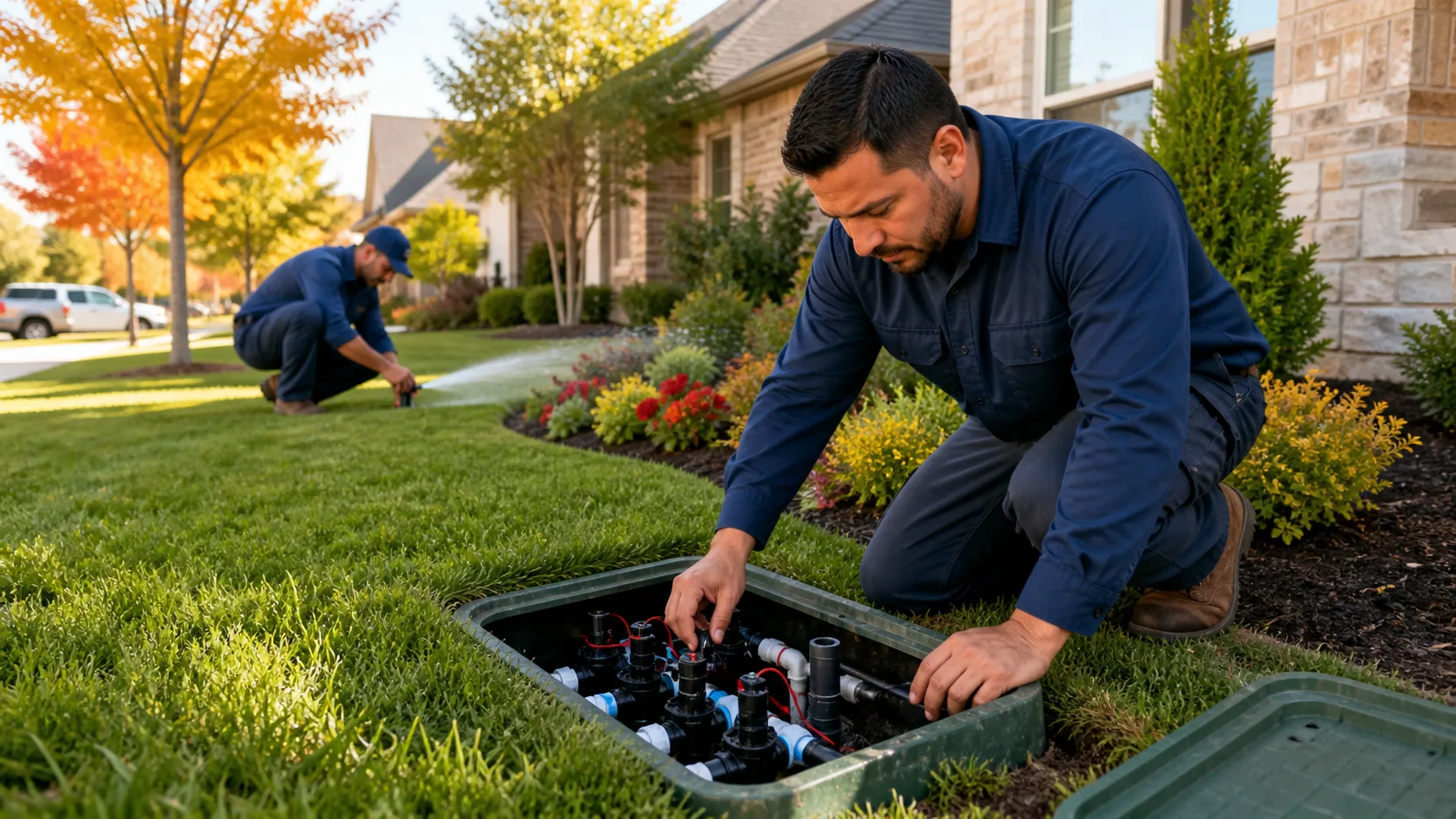
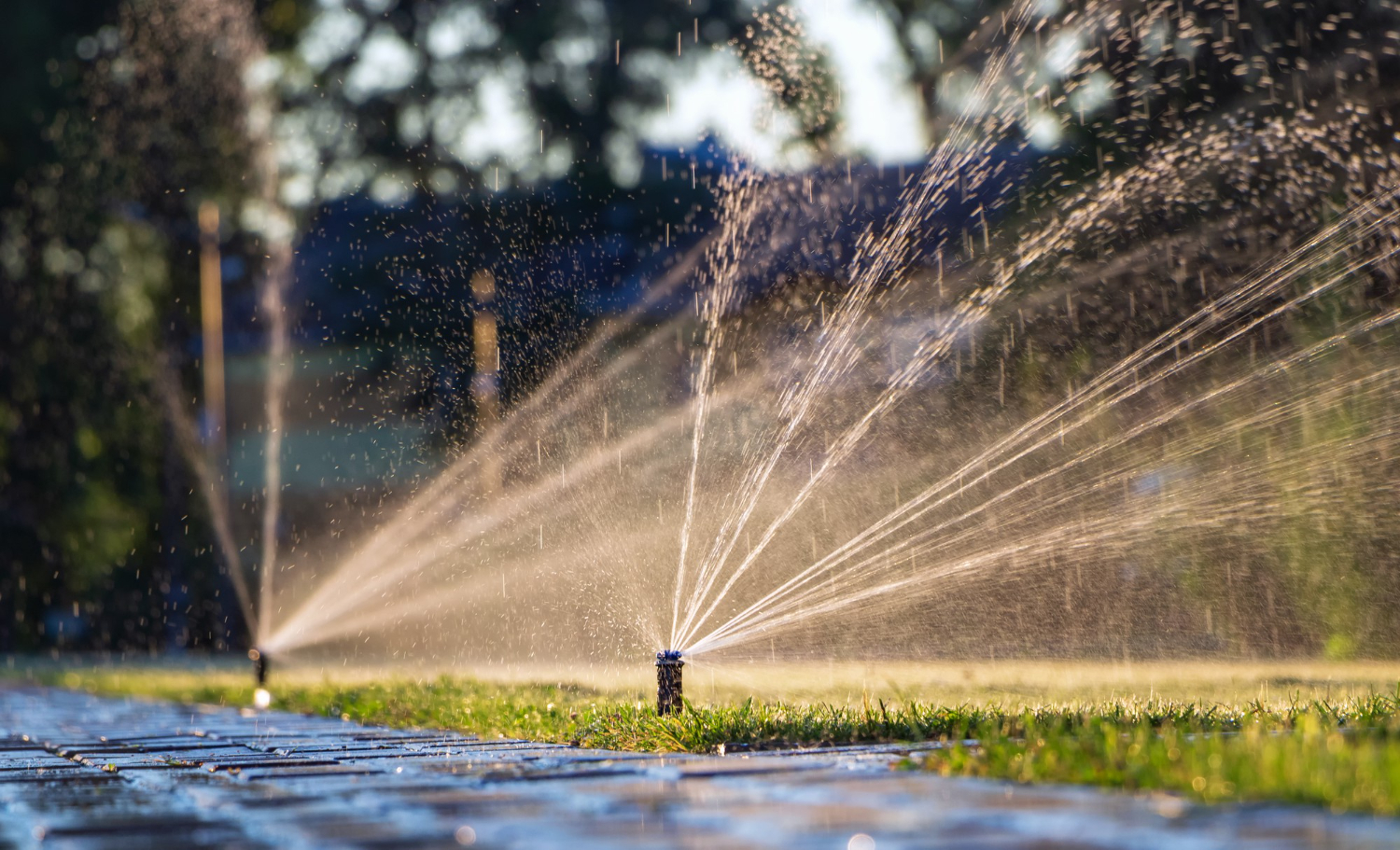
When we design drainage, we also look at your sprinklers and landscape layout. We plan pipe routes so they avoid or work around existing sprinkler lines, do not block sprinkler spray patterns, and stay hidden under turf or mulch for a clean, finished look. That way your yard looks neat, drains better, and your irrigation continues to water evenly.
Professional Installation That Protects Your Yard and Home
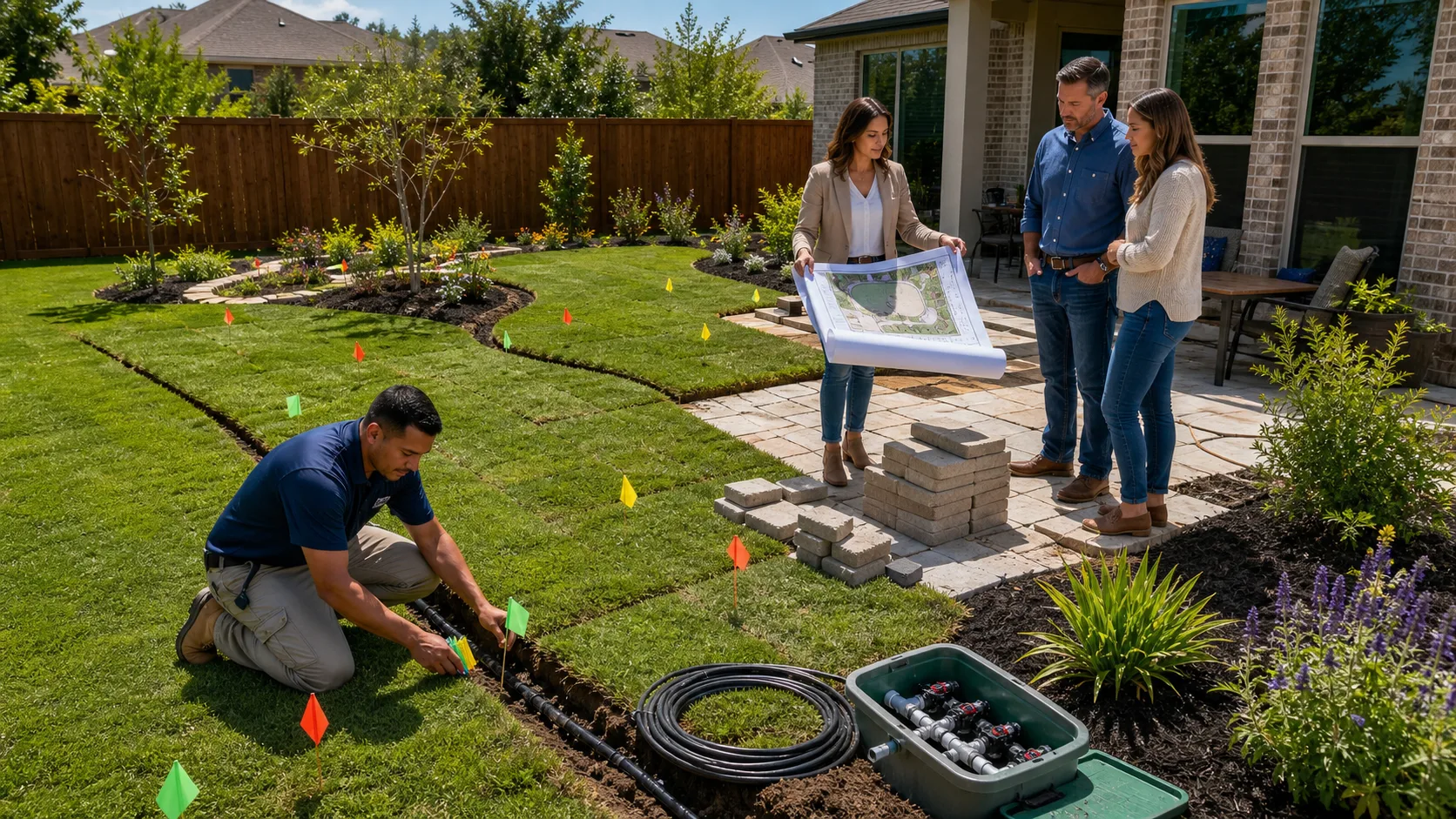
Installing a French drain is more than digging a trench and dropping in a pipe. A careful process makes a big difference in how well it works and how good your yard looks afterward. A typical professional installation includes:
- Marking utilities and locating existing irrigation lines
- Laying out the drain path for the right slope and outlet
- Cleanly cutting and removing turf or mulch where needed
- Excavating the trench to the planned depth and width
- Laying fabric, placing gravel, and setting the perforated pipe
- Backfilling with more gravel and covering with soil or sod
As a licensed irrigation contractor, we work around sprinkler systems every day. That helps us protect your irrigation while we solve drainage issues. We understand how local soil reacts to rain and how overwatering or poor drainage can damage turf, so we design with the whole yard in mind.
DIY French drains often run into familiar problems, like:
- Not enough slope, so water just sits in the pipe
- No fabric, which lets soil wash in and clog everything
- Outlets that are too low, too high, or too close to the house
- Trenches that cut sprinkler lines or leave bumpy lawn patches
Working with a professional team helps avoid those headaches and gives your drain a better chance of working reliably when the next storm arrives.
Schedule Your Spring Drainage Checkup Now
As spring rains become more frequent, small wet spots can quickly grow into bigger issues. Each new downpour adds more water to soil that is already holding all it can. That is when you see puddles lasting longer, turf starting to thin, and soft areas spreading outward from the original low spots.
A drainage checkup before late spring storms roll through lets you get ahead of those changes. At Fellows Irrigation Services in McKinney, we can walk your yard, look around your foundation, and review your existing sprinkler layout to plan solutions that work together. That might include French drain installation in McKinney, sprinkler adjustments to avoid overwatering trouble spots, or even planning future landscape lighting once the yard is dry and usable again.
By taking care of drainage now, you set your lawn up for a healthier growing season and a more enjoyable outdoor space across Collin and Denton Counties.
Protect Your Property With Reliable Drainage Solutions Today
If you are seeing standing water, soil erosion, or soggy spots in your yard, our team at Fellows Irrigation Services is ready to help fix the problem at its source with professional French drain installation in McKinney. We will evaluate your property, explain your best options in plain language, and provide a clear, detailed plan before any work starts. Reach out today to schedule a consultation or request a quote, or contact us with any questions about improving drainage around your home.