Smarter Sprinkler Zones for Hot North Texas Yards
Keeping a yard healthy through a McKinney summer is not easy. The sun is strong, the rain comes in quick bursts, and our clay soil does not soak up water very fast. When a sprinkler system is not planned around these real-world conditions, you end up with dry spots, puddles, stressed plants, and a higher water bill than you should.
A simple, one-size-fits-all layout almost never works for North Texas yards. Different areas around your home need very different amounts of water and very different run times. Thoughtful sprinkler zone design is what keeps things balanced. It is the backbone of smart sprinkler system installation in McKinney, especially for homes with slopes, mixed turf and beds, and neighborhood rules about yard appearance.
Why McKinney Yards Need Smart Zoning
McKinney and the rest of Collin and Denton Counties have their own unique challenges. The soil is often heavy clay, so it holds water on top and can get soggy quickly. We also see long stretches of heat, along with city watering rules that limit days or times. Newer subdivisions can have drainage issues, especially where lots are close together.
All of this affects how water should be applied. If a zone runs too long on clay soil, water starts to run off instead of soaking in. That can:
- Starve grass of the water it actually needs
- Create low, mushy areas near foundations
- Wash water into sidewalks, streets, or neighbor yards
Yards here are rarely flat rectangles. Many have corner lots with big front lawns, narrow side yards, shaded pockets, pool areas, raised beds, or long strips along the street. Each of these areas needs its own watering strategy to keep plants healthy and protect your home.
Smart zoning helps you:
- Reduce water waste and runoff
- Match city watering guidelines more easily
- Protect your investment in sod, trees, and outdoor spaces
- Support better drainage and help guard your foundation
Key Principles of Effective Sprinkler Zone Design
Good zone design starts with a simple idea: different plants and areas should not all be treated the same. Here are the main principles we follow.
First, group by plant type. Turf, shrubs, trees, groundcovers, and seasonal color beds all use water differently and have different root depths. For example, grass usually needs more frequent, shorter watering, while established trees like less frequent, deeper soaks. When these are on the same zone, one will always be unhappy.
Second, group by sun and shade. In many McKinney yards, the front lawn sits in full sun most of the day, side yards may be shaded by fences and houses, and the back can have a mix of sun and shade. Those areas do not dry out at the same pace. Separate zones let you adjust run times so the sunny spots get enough water without drowning the shaded areas.
Third, match heads and pressure. Spray heads, rotors, and drip emitters all work at different pressures and put out water at different rates. Mixing them on one zone causes uneven watering and can damage equipment. Keeping similar heads together makes it easier to:
- Balance pressure
- Match precipitation rates
- Avoid uneven coverage
Last, address elevation changes. Slopes, terraces, and raised beds need extra thought. Water likes to run downhill, especially on clay soil. On slopes we may use shorter, more frequent cycles or drip irrigation, which puts water right at the roots and helps prevent runoff.
Building Zones Around Real McKinney Yard Layouts
Front yards in McKinney often do a lot of work. They face the street, they face the sun, and they are often what the HOA sees first. A typical front yard zone plan might include:
- A zone for the main front lawn
- A separate zone for foundation plantings and shrubs
- A narrow zone for street-side strips or parkway grass
This helps control overspray onto the street and lets us manage watering carefully around the home’s foundation.
Backyards can be even more complex. Many have:
- Play lawns for kids or pets
- Pool decks and hardscape sitting areas
- Outdoor kitchens or pergolas
- Fenced dog runs or side play areas
We design zones to keep water off structures, fences, patios, and pool decks, while still giving turf and beds enough coverage. Rotors might be used for open play lawns, while drip or special nozzles serve beds around patios or outdoor kitchens.
Side yards and long, narrow strips along driveways or between houses need special care. Standard spray heads can easily throw water on sidewalks, driveways, or fences. We often use:
- Drip lines along fences or tight planting beds
- Strip nozzles tailored to narrow grass areas
- Small specialty heads where space is tight
For homes with HOA rules and a strong focus on curb appeal, consistent color and even coverage are important. With the right zones and a smart controller, you can keep visible areas looking good while still staying conservative with water.
Seasonal Planning for Summer-Ready Zones
Waiting until your yard is already stressed is a tough way to learn your system is not set up well. Sprinkler system installation in McKinney works best when zones are planned and tuned before peak summer. That way, when heat and long dry spells arrive, the system is ready.
Good zone design also makes seasonal changes much simpler. In cooler seasons, zones can run less often. In hotter months, we can increase run times or frequency for sunny turf zones and still keep shaded or drip zones under control.
When watering restrictions are in place, flexible zones are a big help. Separate, matched zones make it easier to:
- Adjust run times without flooding certain spots
- Prioritize key areas like front lawns or trees
- Take advantage of drip zones that may have different rules
Smart controllers and sensors are the final layer. When each area of the yard has its own zone, the controller can tailor run times based on:
- Recent rainfall
- Soil moisture levels
- Temperature and sun exposure
That way, you are not watering every part of the yard the same, no matter what the weather is doing.
How We Design Sprinkler Zones That Just Work
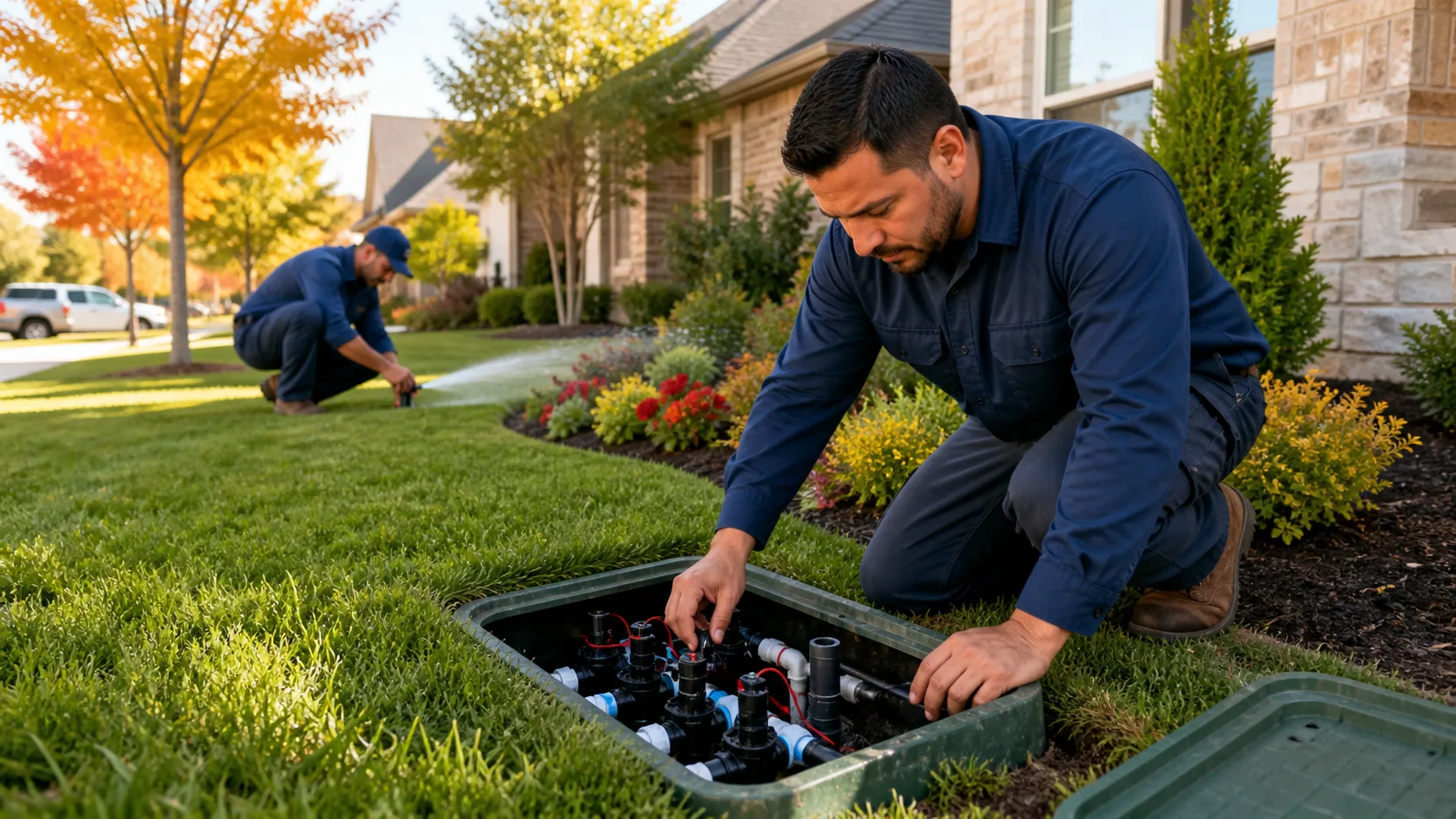
As a family-owned, licensed irrigation contractor based in McKinney, we spend a lot of time in yards across Collin and Denton Counties. Our process starts on-site. We walk the property, look at how water currently moves through the yard, check slopes, and note soil and plant types. We also keep an eye out for any existing drainage issues.
From there, we design customized zone layouts that fit the way you use your outdoor space. We separate turf, beds, trees, and special areas like pool decks or pet zones. Our goal is to give every area even coverage with as little waste as possible, while respecting local water rules.
During installation, we focus on correct head placement, proper spacing, and tested pressure. We run coverage tests and adjust heads so each zone performs the way it should before you rely on it in daily use.
Over time, yards change. Plants grow, new beds are added, or outdoor living areas expand. We support that with seasonal tune-ups, repairs, and upgrades, including converting high-overspray zones to drip where it makes sense. With strong zone design as the foundation, your irrigation system can keep up with your yard and our North Texas climate, season after season.
Get Started With Your Project Today
If you are ready to upgrade your yard with reliable watering solutions, our team at Fellows Irrigation Services is here to help. Explore your options for sprinkler system installation in McKinney and let us design a system tailored to your landscape and budget. We will walk you through every step, from planning to final setup, so you feel confident in your investment. Have questions or want to schedule a consultation? Simply contact us to get started.