Stop Standing Water Before It Ruins Your Yard
Soggy spots are more than just annoying. They turn nice grass into muddy patches, leave standing water after every run of the sprinklers, and create bare, dead areas that never seem to dry. Pools of water also attract mosquitoes and leave dirty footprints tracked into your home.
In our North Texas clay soils, even small sprinkler issues can snowball into bigger problems. Water can start to collect around low spots, along the foundation, or near patios and walkways. When that happens, you may see cracks in soil around your slab, shifting turf, or plants that keep drowning while others stay dry. Staying ahead of these issues with regular sprinkler system maintenance in McKinney keeps your yard usable and your property safer.
Our clay ground, strong storms, and long stretches of heat all play a part. That is why proactive care is so important. With the right maintenance and drainage plan, your lawn can look good, shed water the right way, and stay healthy through changing weather. As a local, family-owned irrigation contractor serving Collin and Denton Counties, we understand how quickly water problems can show up here and how to stop them before they spread.
Why Soggy Spots Happen Around McKinney Homes
In McKinney and nearby cities, most yards sit on heavy clay soil. Clay holds water like a sponge. After a rain or a long sprinkler run, water soaks in slowly and tends to sit on the surface instead of draining down. When irrigation is not set up or tuned for these conditions, you get puddles.
Common sprinkler problems that lead to soggy spots include:
- Broken or tilted sprinkler heads that shoot water into the air or straight into one small area
- Overspray that hits driveways, patios, or fences and then runs back into the yard
- Misaligned nozzles that throw too much water on one side and not enough on the other
- Low head drainage, where water keeps seeping out of heads at the bottom of a slope after the system shuts off
Drainage design problems can make all this even worse. When the ground is not graded to move water away from the home, small low spots turn into swampy areas. French drains that are clogged with roots or dirt stop working and let water back up. Downspouts that dump roof runoff in the middle of the lawn or right at the foundation add gallons of extra water where the soil is already slow to drain.
When sprinklers, grading, and drainage are not working together, you get soggy turf, struggling plants, and water that always seems to end up in the wrong place.
Sprinkler Maintenance to Keep Water Moving
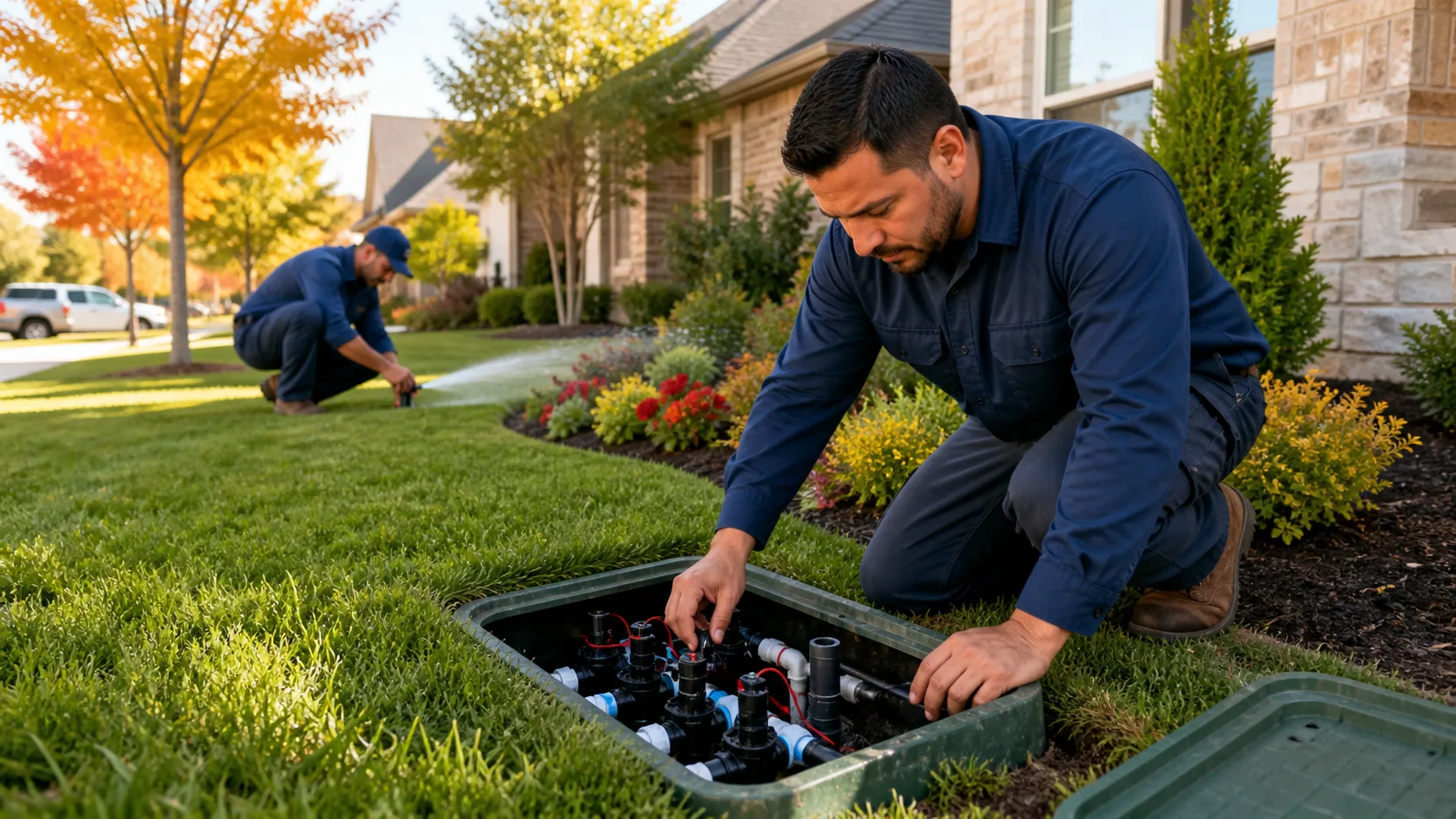
Regular sprinkler system maintenance in McKinney is one of the best ways to prevent soggy spots. A sprinkler system is not “set it, and forget it.” It needs checks and small adjustments as seasons change, plants grow, and your yard settles.
Key parts of good sprinkler maintenance include:
- Seasonal system checks to make sure every zone is working and covering the right areas
- Adjusting sprinkler heads so they sit straight, at the right height, and spray the lawn, not the street
- Cleaning or replacing clogged nozzles that cause misting, weak spray, or uneven coverage
- Finding and fixing leaks in lines, valves, or fittings that keep feeding water into one area
How and when you water matters as much as the hardware. In North Texas, yards usually do better with deeper, less frequent watering, especially in the early morning. That gives the soil time to soak up water before the sun gets high, without leaving the turf soggy all day and night. During wetter periods, run times should drop so you are not adding sprinkler water on top of rainwater.
Modern tools can help prevent standing water too. Upgrades like smarter controllers, soil moisture sensing, and rain shutoff features can:
- Skip watering after a good rain
- Adjust runtimes for different zones, like shaded areas versus sunny slopes
- Cut back water in parts of the yard that tend to stay wet
When your system is tuned to your soil, slope, and plant types, water is more likely to soak in instead of pool on top.
Spotting Trouble Early Before It Becomes a Swamp
Catching water problems early keeps your yard from turning into a soggy mess. Many warning signs show up long before you see obvious standing water.
Things to watch for include:
- Grass that always feels wet or spongy underfoot, even a day after watering
- Algae, mold, or dark, slimy spots on soil, rocks, or hard surfaces
- Water flowing over sidewalks, driveways, or the curb every time the system runs
- Sudden jumps in your water bill without changes in your normal use
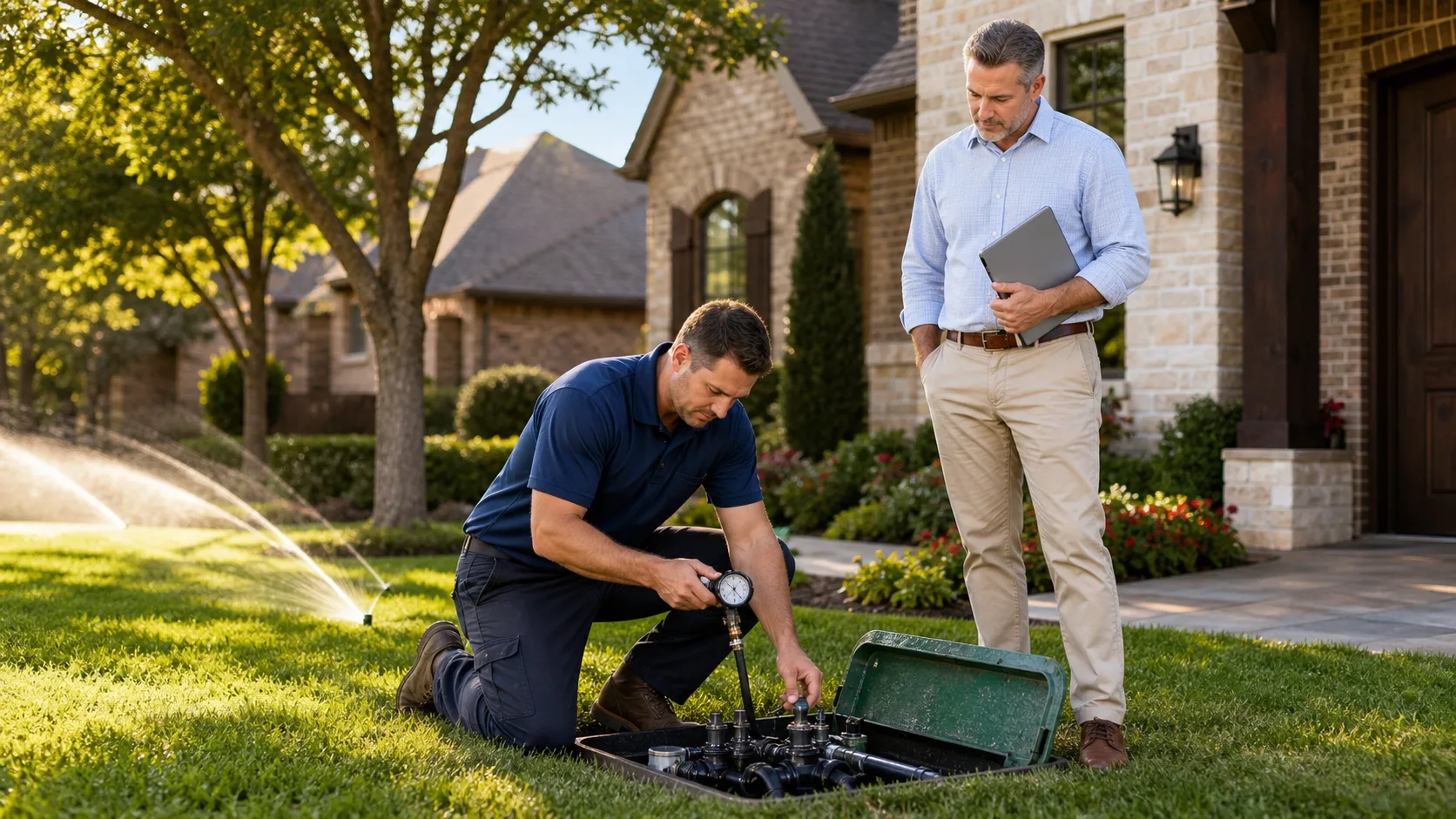
A quick visual check of your system can help you spot issues. When it is safe to do so, you can run each zone and look for:
- Fine mist instead of a steady spray, which can mean high pressure or clogged nozzles
- Geysers, bubbling water, or water spraying into the street
- Heads that do not pop up all the way or never go back down
- Water pooling around sprinkler heads or valve boxes after the system shuts off
Some small things, like moving a head away from a fence line, may look simple. But many problems come from deeper issues like water pressure, electrical parts, or complex coverage gaps. For recurring leaks, broken lines, low head drainage, or zones that never fully turn on or off, it is safest to have a licensed irrigation contractor in McKinney handle the repair and adjustments.
Drainage and Outdoor Lighting Completing the Solution
Sprinkler maintenance solves part of the problem. To fully get rid of soggy areas, many yards also need better drainage. When your irrigation and drainage work together, water has a clear path to move away from your lawn and home.
Well-planned drainage solutions can include:
- French drains that collect water below the surface and carry it away
- Surface drains that pull water out of low spots in the yard
- Redirecting downspouts so roof runoff goes to safer areas instead of right next to the slab
These pieces help your soil dry out between watering cycles. They also protect patios, walkways, and foundations from constant moisture.
Outdoor lighting can also play a helpful role. When wet areas are brought under control, good lighting can:
- Highlight dry, usable parts of the yard so you can enjoy them after dark
- Improve safety along paths and steps that used to stay muddy or slick
- Draw attention to healthy plants and features you have invested in
When one contractor handles irrigation, drainage, and lighting, the whole property can be planned as a single system. That makes it easier to set sprinkler zones, drainage lines, and lighting runs so they do not fight each other, and so water, walkways, and focal points all work together.
Protect Your Lawn with Local Expert Care
Staying ahead of soggy spots with regular sprinkler system maintenance in McKinney pays off in many ways. You can protect your lawn, keep soil more stable around your foundation, cut down on mosquito breeding areas, and help your plants handle long, hot summers. A healthy irrigation system uses water more wisely and keeps it where it belongs, on your grass and landscaping instead of pooling in unwanted spots.
A seasonal inspection and tune-up before peak heat and storm patterns set in can make a big difference for the rest of the year. For homeowners and commercial property managers across Collin and Denton Counties, a local, family-owned irrigation contractor that understands our soils, slopes, and weather can help keep your sprinklers, drainage, and outdoor lighting working together for a dry, attractive property.
Protect Your Landscape With Reliable Irrigation Care
Keep your yard healthy and avoid expensive repairs by scheduling professional sprinkler system maintenance in McKinney with Fellows Irrigation Services. We inspect, adjust, and fine-tune your system so it runs efficiently in every season. If you are ready to fix ongoing issues or set up routine service, contact us today to get started.