Stop Guessing and Know When to DIY Sprinkler Care
Smart sprinkler system maintenance in McKinney is not just about keeping grass green. It also protects your plants from heat stress, keeps your water bill under control, and helps you follow local watering rules. In North Texas, where long hot stretches are normal, a neglected system can waste a lot of water and leave your yard struggling.
We like a simple approach: before you grab a shovel or screwdriver, ask a few clear questions. Your answers will help you decide if it is safe to try a quick DIY check or if it is time to bring in a licensed irrigation technician. Some small tasks are fine for handy homeowners, but many repairs, upgrades, and buried parts are best left to a pro for safety, code, and long-term performance.
Can You Safely Handle This? Easy Homeowner Checks
Start with the lowest-risk question.
Question 1: Is this a simple visual or controller check?
There are a few basic checks many homeowners can handle without tools or digging. These are light touches, not deep repairs.
Simple controller checks include:
- Looking at the schedule so the system is not running in the middle of the day
- Replacing controller batteries if the screen is fading or losing time
- Adjusting seasonal run times so zones run less in cooler fall weather
- Confirming the rain or freeze sensor is turned on and not bypassed
You can also do a short walk-the-yard check a couple of times a year. Turn each zone on manually at the controller and look for:
- Heads that spray sidewalks, driveways, or the street
- Obvious leaks bubbling around sprinkler heads
- Clogged nozzles with weak mist or no spray at all
- Dry patches or soggy spots that stand out from the rest of the lawn
Before touching any heads, turn the system off at the controller. Keeping water off while you look or clear small debris helps you avoid getting sprayed and keeps pressure off the parts you might bump.
Question 2: Does it only involve basic cleaning or adjustments?
Some light adjustments are often safe surface-level tasks, as long as you stay patient and gentle.
These might include:
- Gently straightening a tilted sprinkler head so it sits level with the soil
- Cutting or clearing grass, mulch, or dirt away from the top of a head
- Swapping a broken nozzle with the same exact type and size
If you try these, it helps to:
- Match parts using the same brand and pattern when possible
- Follow the manufacturer’s instructions on the packaging
- Avoid over-tightening plastic parts, which can crack fittings
- Test each zone after a change so you can spot any new issues early
Even these small steps can improve coverage and reduce water waste between professional visits. Still, if anything feels stuck, cracked, or buried, it is a good sign you have crossed into pro territory.
Will a Mistake Cost You More? When You Need a Pro
Question 3: Does this involve pressurized lines or wiring?
Once you move past simple checks and surface cleaning, you are likely dealing with pressurized pipes, valves, or electrical parts. That is where DIY can get risky fast.
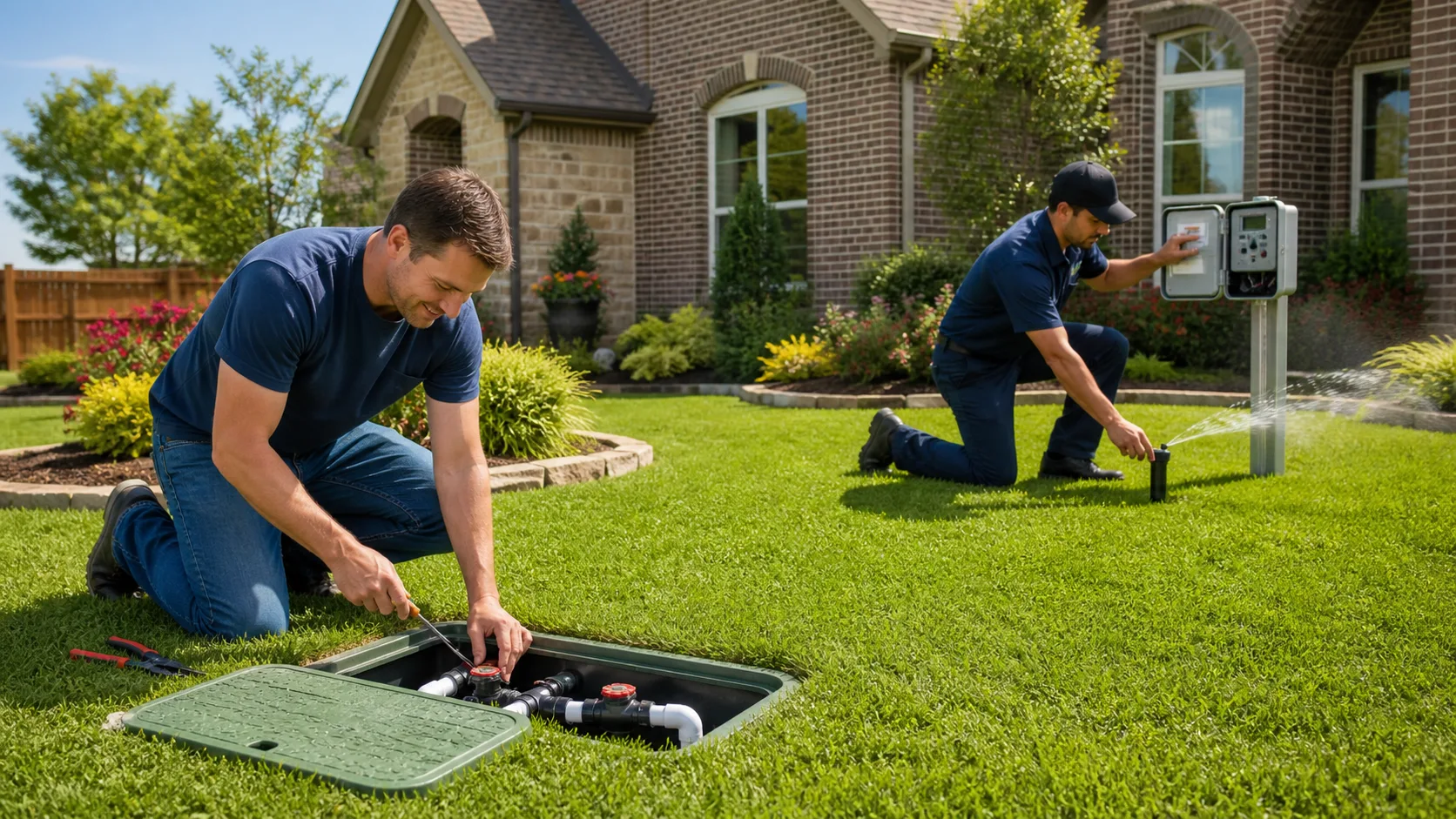
Parts that usually call for a licensed irrigation tech include:
- Main lines and lateral lines under the soil
- Valves that turn zones on and off
- Backflow devices that protect drinking water
- System wiring between valves, sensors, and controllers
Trying to repair these on your own can lead to flooding, damaged landscaping, or electrical hazards. Texas has rules that require a licensed irrigator or irrigation technician for certain repairs and installations. Local cities, including McKinney, may also have permit and inspection requirements that a pro will already understand.
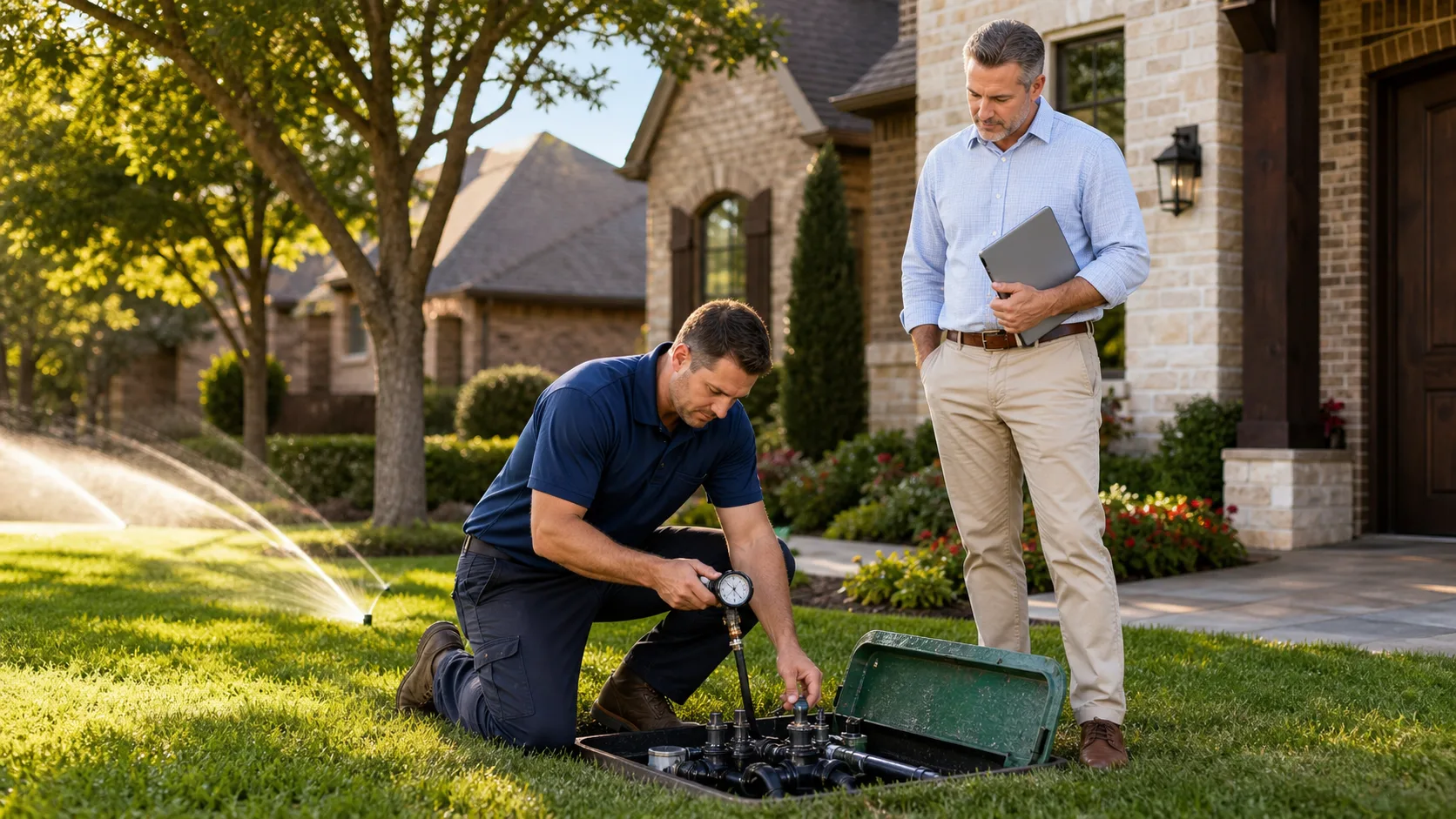
Buried leaks and valve issues can be especially tricky. Pros often use tools like pressure gauges, valve locators, and multimeters to track down the true source of the problem. Without the right tools, you can dig in the wrong spot, damage more pipe, or still not fix the main issue.
Question 4: Will this affect water pressure or backflow?
Backflow devices are there to keep dirty water from flowing back into your home or the public water supply. They are an important safety feature, not just another part in the yard.
Any work that involves:
- Opening up a backflow preventer
- Replacing or rebuilding backflow parts
- Adjusting system pressure at the main line
should be done by a licensed professional. Incorrect repairs can:
- Fail local plumbing or irrigation codes
- Put drinking water at risk of contamination
- Lead to fines or required rework from the city
If you suspect backflow or main pressure problems, it is not a DIY situation. Shut the system down at the controller and have a licensed tech inspect it.
Is It the Right Season? Timing Sprinkler Service in McKinney
Question 5: What maintenance does my system need this fall?
Fall in North Texas is a smart time to reset your sprinkler system after a long, hot summer. As temperatures drop and days get shorter, your landscape usually needs less water.
Good fall steps include:
- Reducing runtimes so zones do not overwater cooler soil
- Updating start times so watering happens in the early morning
- Preparing for possible early freezes by checking that your rain or freeze sensor is working
A fall system check can catch:
- Small leaks that started during summer use
- Misaligned heads causing dry or overwatered zones
- Valves that are sticking or slow to open and close
It is also a good season to review coverage after the stress of summer. This is when many homeowners think about upgrades like a smart controller, drip zones for beds, or better zoning to match plant needs.
Question 6: When should I schedule professional service?
For sprinkler system maintenance in McKinney, a regular pattern works well for many properties. Many homeowners prefer two professional visits each year, one in spring and one in fall.
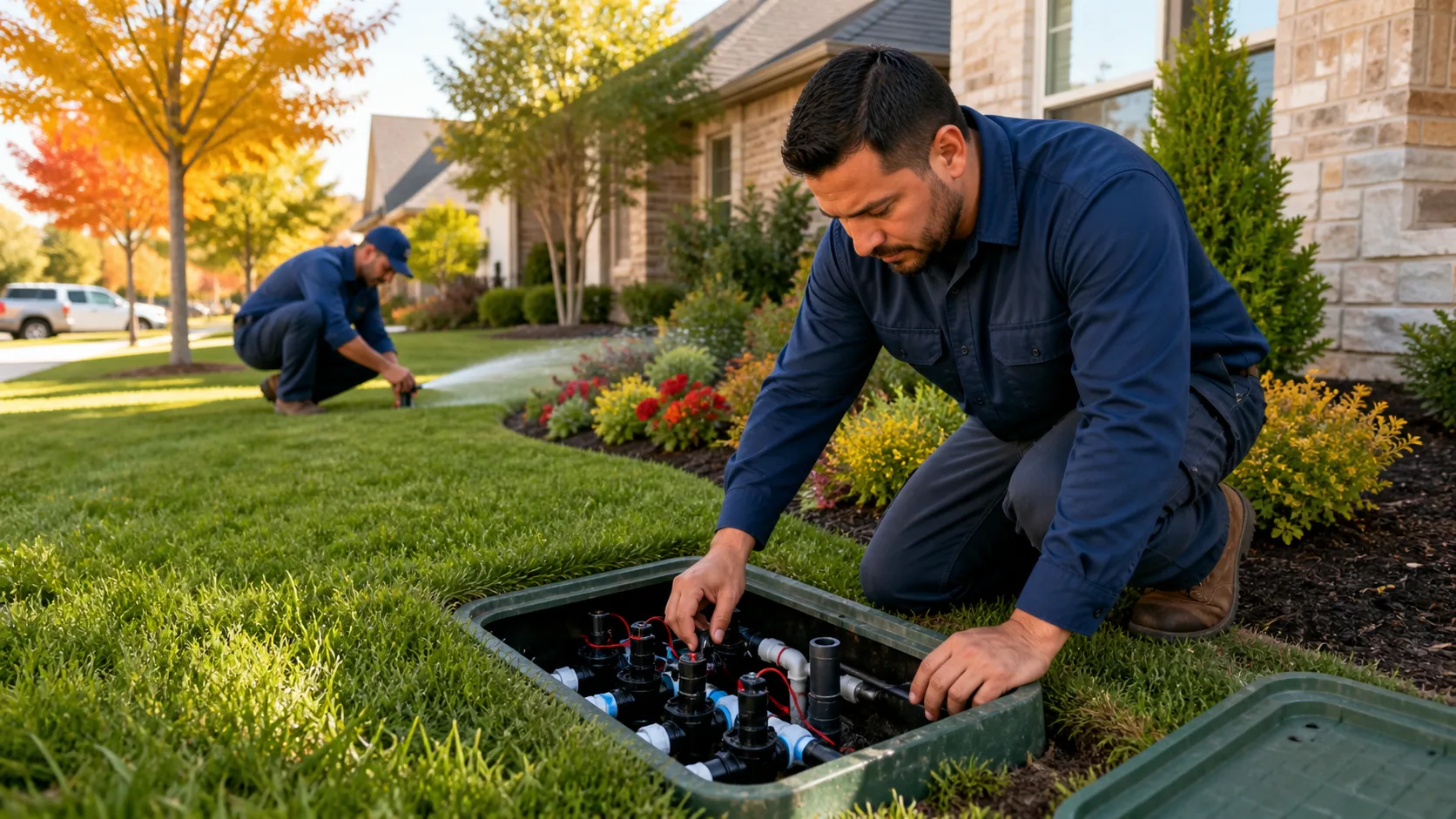
During a fall visit, a technician typically checks:
- Water pressure and overall coverage in each zone
- Valve performance and any slow-closing or noisy parts
- Wiring connections, controller functions, and program settings
- Rain and freeze sensor operation
- Any drainage concerns that showed up during heavy rains
Scheduling in the fall can help you avoid the rush that often comes when the first big heat wave arrives. It also means your system is ready to go with only minor tuning when watering demand jumps again.
Are You Seeing These Red Flags? Call a Licensed Tech Fast
Question 7: Is my water bill spiking with no explanation?
A sudden jump in your water bill, even when your yard does not look different, can be a sign of problems you cannot see. Hidden issues may include:
- Underground leaks on main or lateral lines
- Valves that stick open and run longer than you think
- Controllers that were misprogrammed or reset after a power outage
Licensed pros can do zone-by-zone testing and compare meter readings with system run times. This helps them find leaks or programming errors much faster than trial and error guessing.
Question 8: Is my lawn patchy, mushy, or flooded?
Your yard often tells you something is wrong before you see hardware damage. Pay attention to:
- Patchy or dry areas that stay brown even with regular watering
- Mushy or squishy spots that never seem to dry out
- Water pooling around heads, sidewalks, or near the house
Dry spots might point to blocked heads, poor coverage, or low pressure that calls for design know-how, not just a quick tweak. Soggy areas can come from broken pipes, leaking valves, or poor drainage.
In many yards, sprinkler system maintenance in McKinney goes hand in hand with drainage planning. If water is not moving away from the house or low spots, both the irrigation and drainage systems may need to be reviewed together to get a lasting fix.
Ready for Help? How Fellows Irrigation Makes Maintenance Easier
We designed this question-based guide so you can pause, think, and make safer choices before trying to fix a sprinkler issue. Use these questions as a quick checklist any time something looks off. If the task touches buried lines, electrical wiring, water pressure, or backflow protection, it is usually time for a licensed technician.
At Fellows Irrigation Services, we design, install, repair, and maintain residential and commercial irrigation, drainage, and outdoor lighting systems in and around McKinney. Our goal is to keep your system running smoothly through North Texas heat, storms, and seasonal changes so your landscape gets the water it needs without waste.
Get Started With Your Project Today
If you are ready to keep your lawn healthy season after season, our team is here to help with expert sprinkler system maintenance in McKinney. At Fellows Irrigation Services, we inspect, adjust, and repair your system so it runs efficiently and reliably. Tell us about your irrigation needs and we will recommend a maintenance plan that fits your property and budget. To schedule service or ask questions, simply contact us today.