Plan Your Irrigation Before the First Shovel Hits Dirt
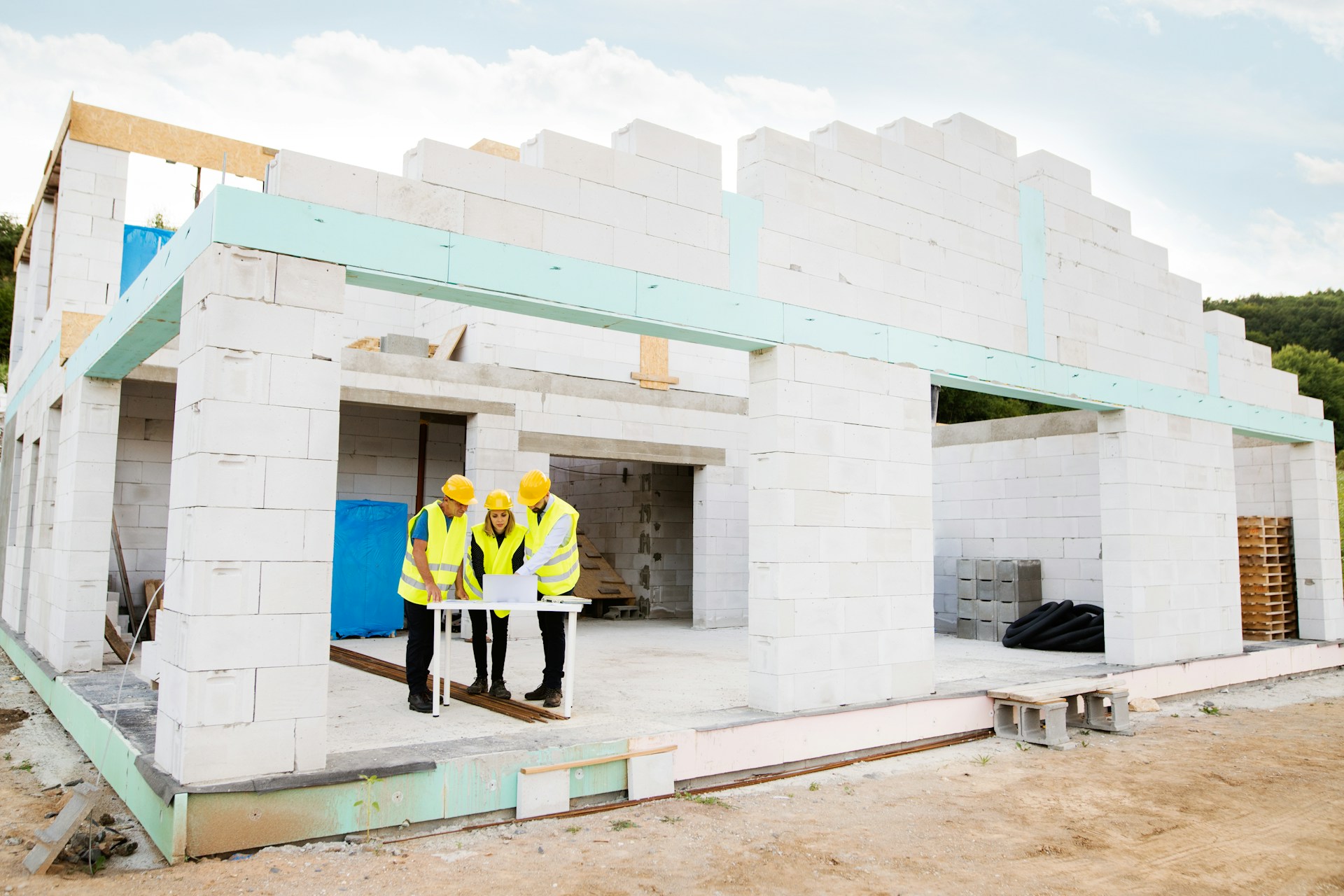
Good irrigation planning for a new build in McKinney should start early, right alongside your house plans and site layout. Sprinklers are not just something that gets tossed in after the sod shows up. They touch plumbing, grading, concrete, and future landscaping, so they need a place in the plan from day one.
A new lawn irrigation system installation usually includes:
- A water source and shutoff point
- A backflow device to protect drinking water
- Irrigation zones sized for your water pressure
- A smart controller that follows watering rules
- Spray heads for turf and drip lines for beds where needed
When irrigation is planned late, you often see torn up sod, extra trenching, and surprise changes to the builder’s schedule. Planning early helps:
- Avoid cutting new concrete for missed sleeves
- Keep the project on schedule with fewer surprises
- Reduce change orders and repair work after move-in
When irrigation is part of the original site plan, the whole job flows more smoothly, and your yard is ready when the sod arrives.
McKinney Irrigation Codes, Permits, and Inspections
The City of McKinney has clear rules for new irrigation systems. These rules protect your drinking water, keep water from being wasted, and help make sure your system is built the right way.
Key requirements typically include:
- A licensed irrigator designing and overseeing the system
- A proper backflow prevention device
- A separate irrigation meter where the city calls for one
- Design documents that match what is actually installed
On a new build, permits are usually:
- Requested by the irrigation contractor, sometimes in coordination with the builder
- Supported by a plan drawing that shows zones, head locations, and backflow placement
- Timed to fit between rough plumbing, grading, and final landscaping
Your builder and irrigation contractor should agree early on who pulls the permit and how the paperwork will be handled. That way, you are not stuck waiting on approvals when the project is ready for sprinklers.
For inspections, you can expect:
- Backflow testing to confirm it works correctly
- Checks on head spacing and coverage so there are no big dry areas
- Verification that rain and freeze sensors are installed and working
- A review that the system matches current city rules
Passing inspections protects both the homeowner and the builder. It helps avoid fines, delays in final approvals, and the cost of fixing non-compliant work after the fact.
Smart Layout for a Future-Proof Sprinkler System
A good irrigation design does more than just “get water on the grass.” It sets your yard up for long-term success, even as your outdoor space changes over time.
We usually break a property into zones by:
- Turf vs landscape beds
- Full sun vs shade
- Foundation plantings vs open lawn areas
- Spray heads for open spaces vs drip in beds and tight areas
This gives you better control and keeps you from overwatering one area to keep another alive.
The irrigation layout should also be coordinated with:
- Driveways and sidewalks so lines and sleeves are set before concrete is poured
- Pools, patios, and future outdoor features that may need water or lighting
- Underground utilities like gas, electric, cable, and drainage lines
When we plan early, we can place valves, main lines, and sleeves where they can be found and used later. That future planning pays off when you want to:
- Add new planting beds
- Extend or split zones as trees grow and shade changes
- Tie in landscape lighting or drainage improvements with minimal digging
A little thought during new lawn irrigation system installation can save a lot of headache and yard damage later.
Trenching and Trade Coordination During Construction
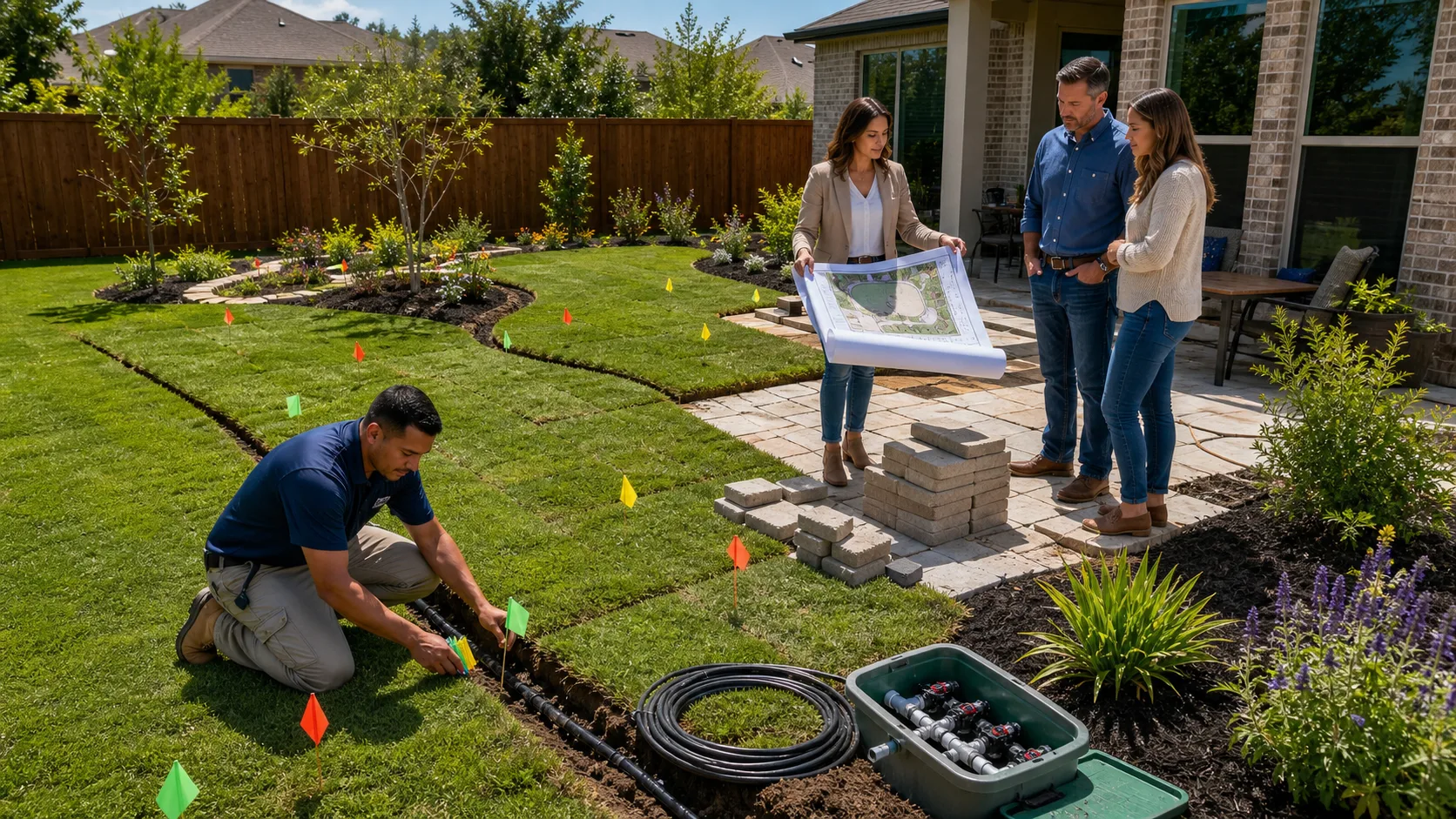
Trenching for sprinklers is messy work, so it needs to be timed with the rest of the project. Good coordination keeps lines safe and the site in good shape.
Typical timing looks something like:
- Rough grading completed so final yard slopes are set
- Plumbing and main utilities in the ground and marked
- Sleeves placed where driveways, walkways, or stoops will be poured
- Irrigation lines and heads installed before final landscaping
Best practices on site include:
- Calling in utility locations and marking private lines
- Keeping trenches neat, not leaving large open holes
- Backfilling and compacting properly so you do not get low spots later
Communication between the irrigation contractor, builder, and other trades is key so that:
- No one cuts irrigation lines while installing fences or utilities
- Valves are not buried too deep to find later
- Grading is not ruined, which can create drainage problems in heavy rains
When everyone knows where the irrigation lines and sleeves are, it reduces rework and protects your investment under the soil.
Pre-Sod Walkthrough and System Testing Checklist
The best time to really check your system is after everything is installed and backfilled, but before any sod or seed goes down. This step is especially helpful in late summer and early fall when new grass needs steady, even water to root well in North Texas heat.
During a pre-sod walkthrough, we like to go zone by zone and confirm:
- Head locations are set right for the planned lawn and beds
- Head height is level with grade, not too high or buried
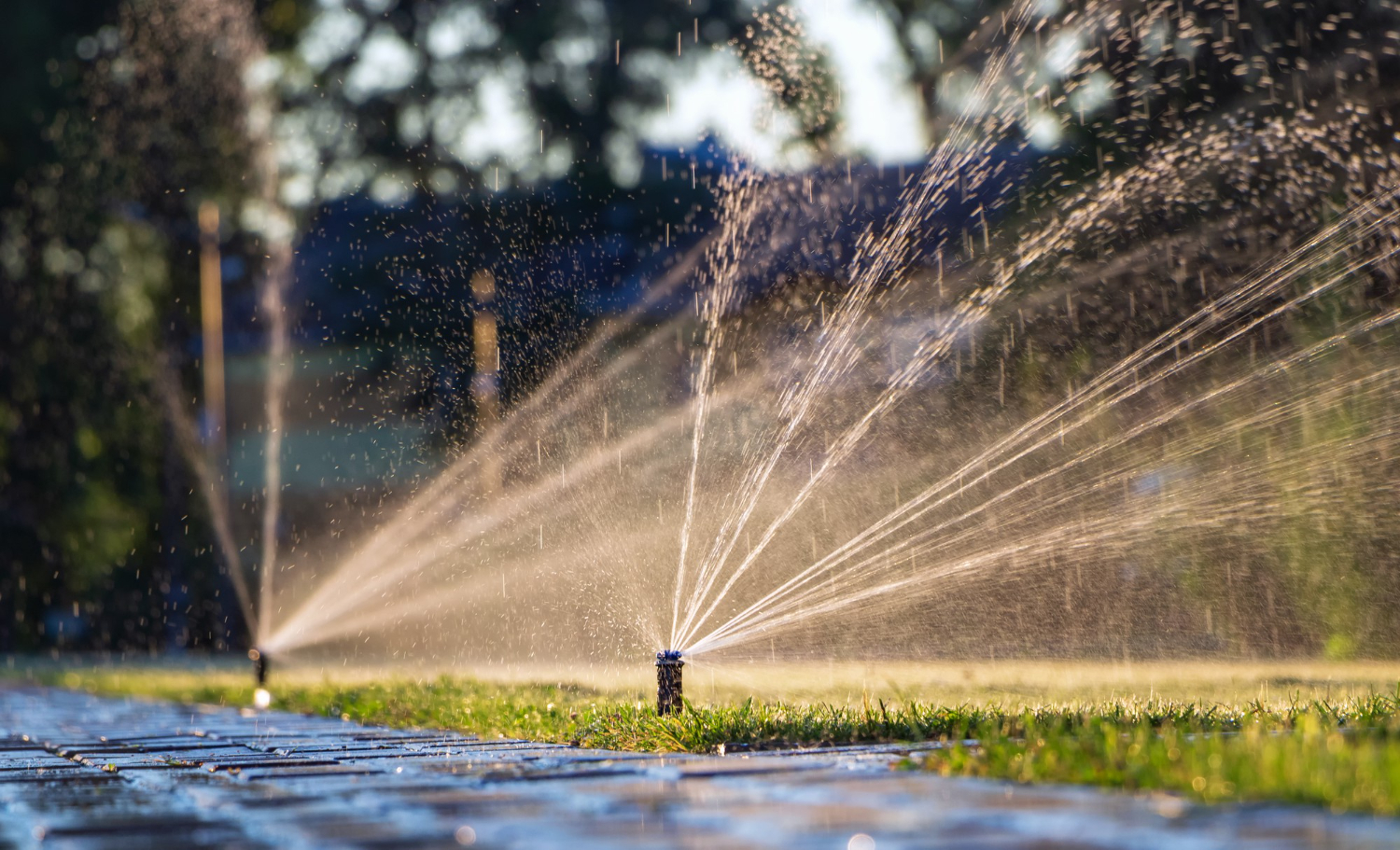
- Spray patterns reach corners and edges without wasting water on driveways
- Drip lines are placed correctly in beds and not too close to the foundation
This is also when we fully test the system:
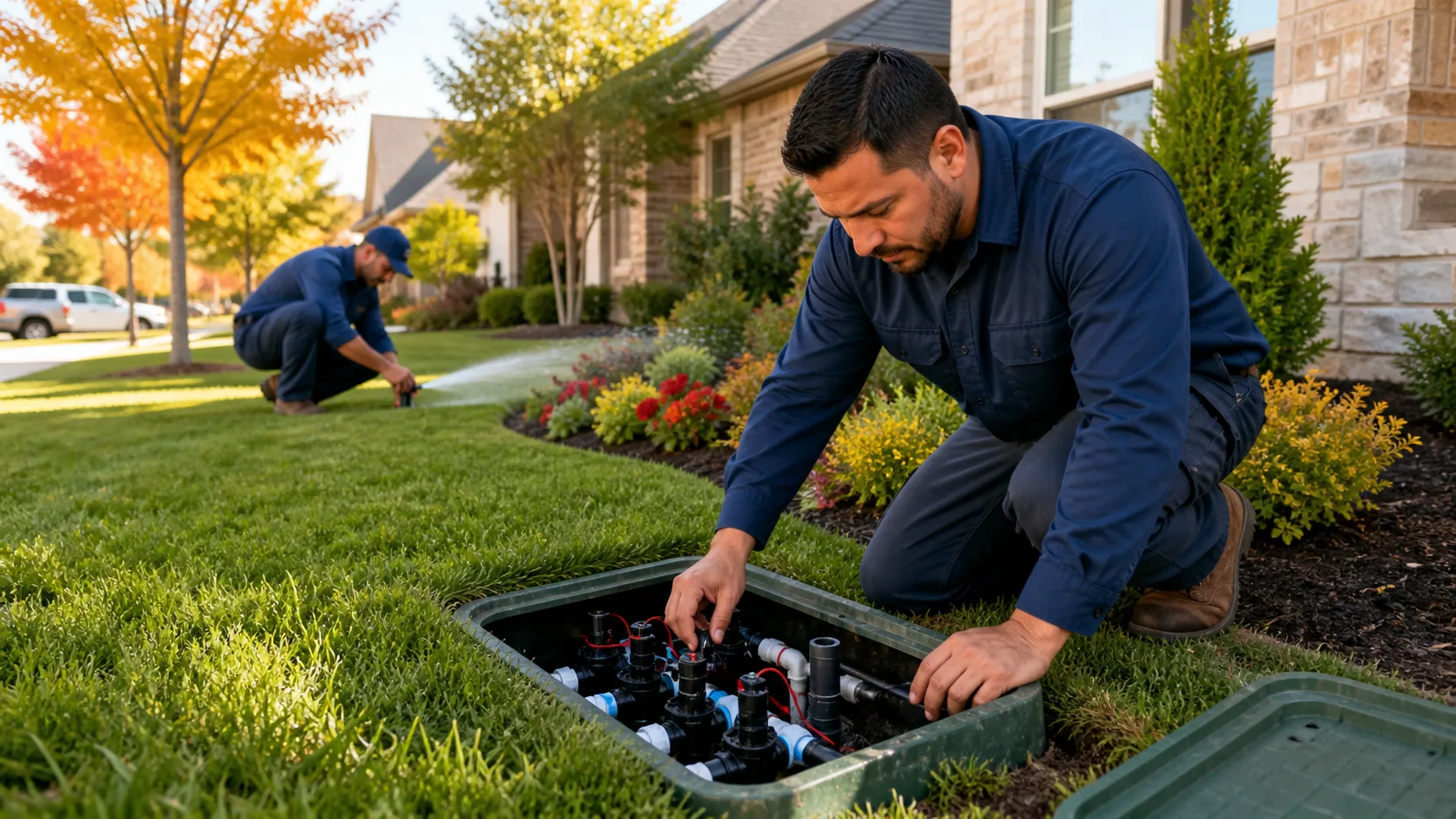
- Run each zone and look for leaks, low pressure, or misting
- Program the controller with a basic seasonal schedule that follows local watering rules
- Verify rain and freeze sensors shut the system down properly
- Mark valve and main line locations and document an as-built layout for the homeowner and builder
Taking this time before sod goes in makes it much easier to make small tweaks. It helps your new grass get off to a strong start and protects paved areas and the house itself from overspray.
Get Your New Lawn Ready for Fall and Beyond
For new homes in McKinney and the surrounding Collin and Denton County area, planning irrigation early keeps your project smoother and your yard healthier. When the system is designed with permits, inspections, trenching, and future changes in mind, you are not scrambling days before sod delivery to solve water issues.
Scheduling your new lawn irrigation system installation with enough lead time before sod arrives, especially on late summer and early fall projects, gives the soil and system a chance to settle and be fully tested. The result is:
- Stronger fall sod that is ready to handle North Texas temperature swings
- Fewer callbacks and surprises for you and your builder
- Lower water waste and a system that is ready to support your yard for years
At Fellows Irrigation Services, we plan, design, and coordinate irrigation, drainage, and landscape lighting for new construction so your outdoor spaces work as well as your home. Careful planning at the start gives you a lawn and landscape that look good now and are ready for whatever you want to add in the future.
Get Started With Your Project Today
If you are ready to keep your lawn healthy, efficient, and easy to maintain, our team at Fellows Irrigation Services is here to help. Explore our new lawn irrigation system installation options to find the right fit for your property and water usage goals. We will walk you through design, installation, and setup so your system works reliably from day one. Have questions or want a quote? Simply contact us and we will respond promptly.