Design Your Backyard Dream with Sprinklers in Mind
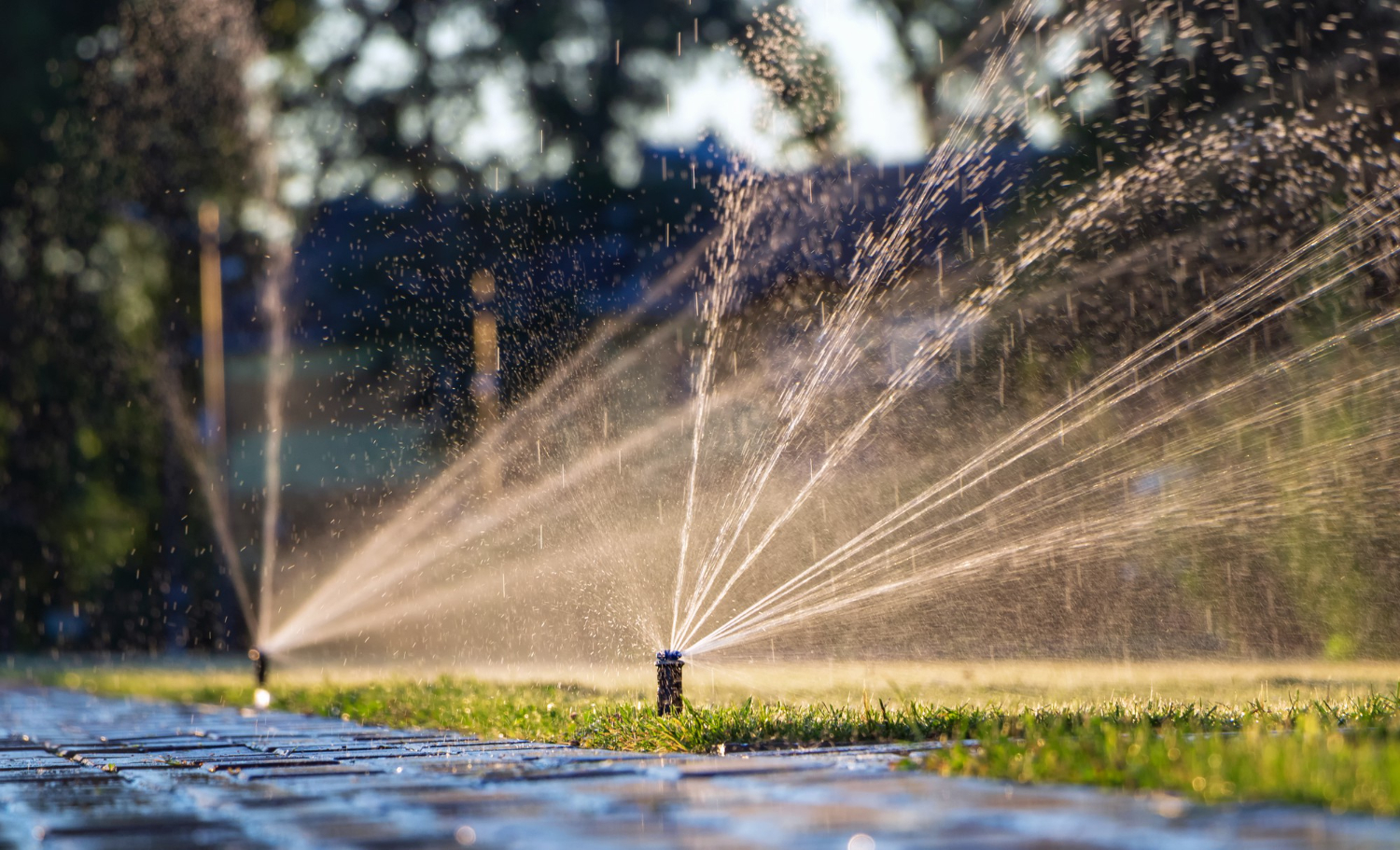
A smart sprinkler system keeps your yard green, your plants happier, and your weekends a lot easier. When you plan sprinkler system installation in McKinney around your backyard projects, you avoid big headaches later, like torn-up grass, broken pipes, and soggy patios.
Fall is a great time in North Texas to think through these plans. Temperatures start to cool down, lawns are under less stress, and you have a window to design before spring growth and summer heat hit again. This is the perfect season to step back, look at the whole yard, and decide what you want it to become.
Patios, pools, play areas, gardens, and lighting all affect where pipes, valves, and sprinkler heads can go. If those parts are not planned together, you can end up paying twice to move lines or fix cut pipes. With some early planning, your irrigation can work with every other upgrade, not against it.
Start with a Master Plan, Not Just a Project List
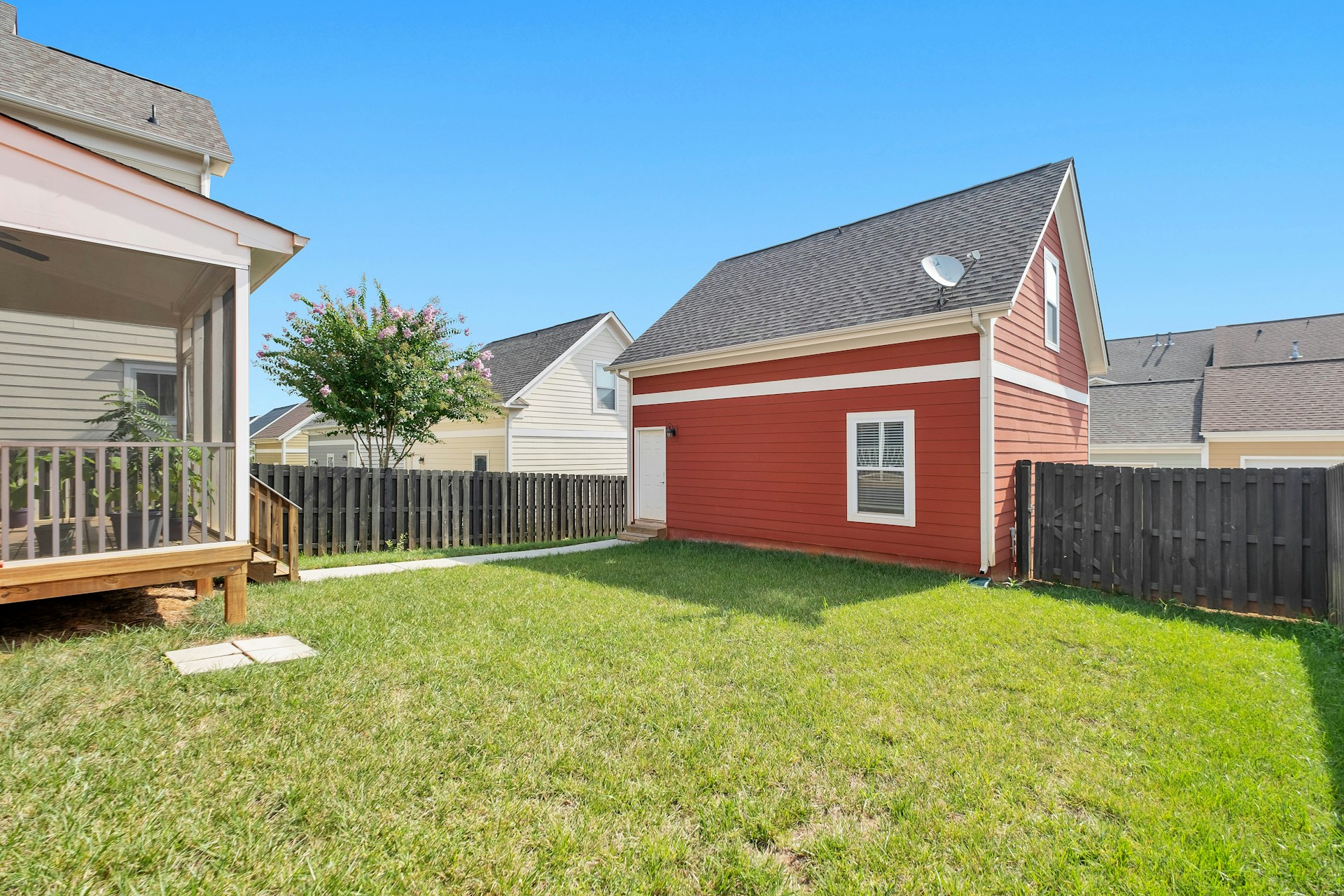
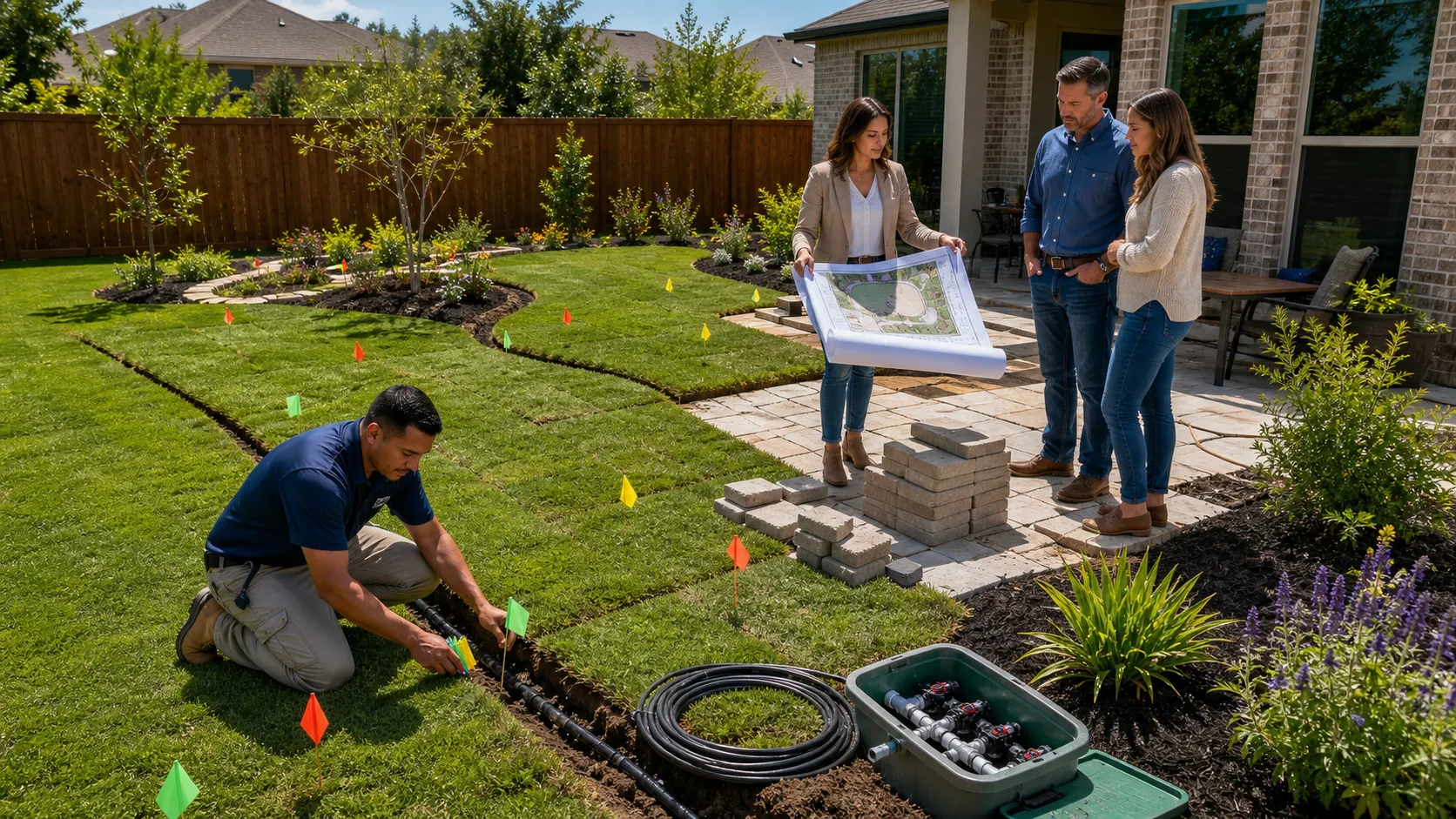
Instead of jumping into a single project, start with a whole-yard master plan. Think beyond this year and ask what you want your yard to look like in a few years. That helps you place things in the right spots from the beginning.
A simple master plan can include:
- Future pool or spa locations
- Outdoor kitchen or seating areas
- Garden beds, trees, and shrub lines
- Turf areas for pets, kids, and sports
- Paths, storage sheds, or side-yard access
When we design irrigation, we look at more than where the grass is today. We map water pressure, zones, and valve locations so the system can support later additions. That means:
- Grouping sunny and shady areas into separate zones
- Leaving space for extra valves or lines for future beds
- Placing the controller where it is protected and easy to reach
With a good plan, you do not have to redo trenches each time you add a new feature. You get fewer broken pipes, better access to valves and controllers, and an irrigation layout that can grow with your backyard instead of fighting it.
Coordinate Hardscapes and Sprinklers for Fewer Headaches
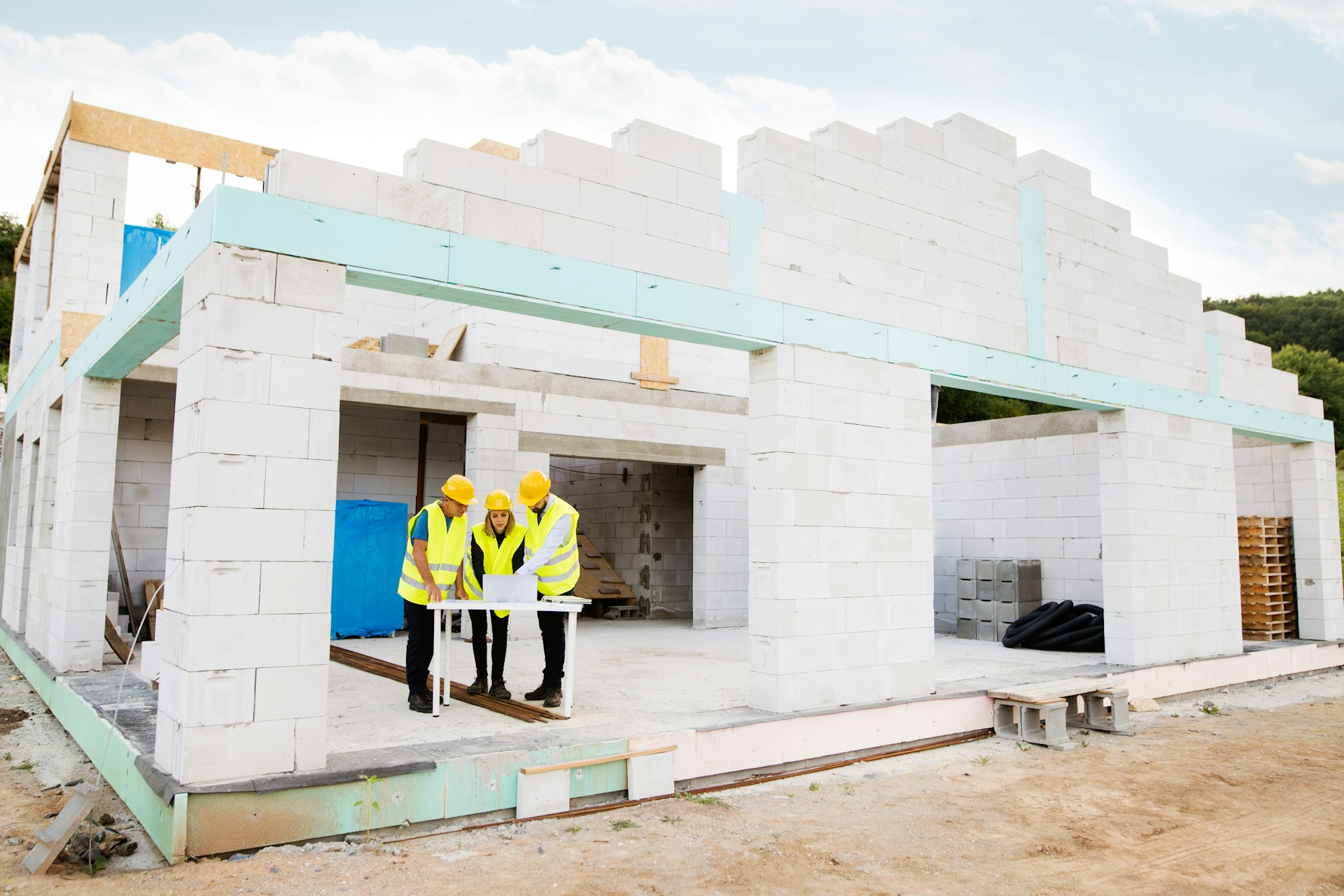
Patios, decks, walkways, pergolas, and retaining walls are usually the most permanent parts of a yard. Once concrete or pavers are poured, moving pipes under them becomes tricky. That is why hardscape and sprinkler design should happen at the same time.
Key ideas to think through before concrete or stone goes in:
- Run sleeves under patios and walkways for future pipes or wiring
- Keep valve boxes away from heavy traffic and under removable covers
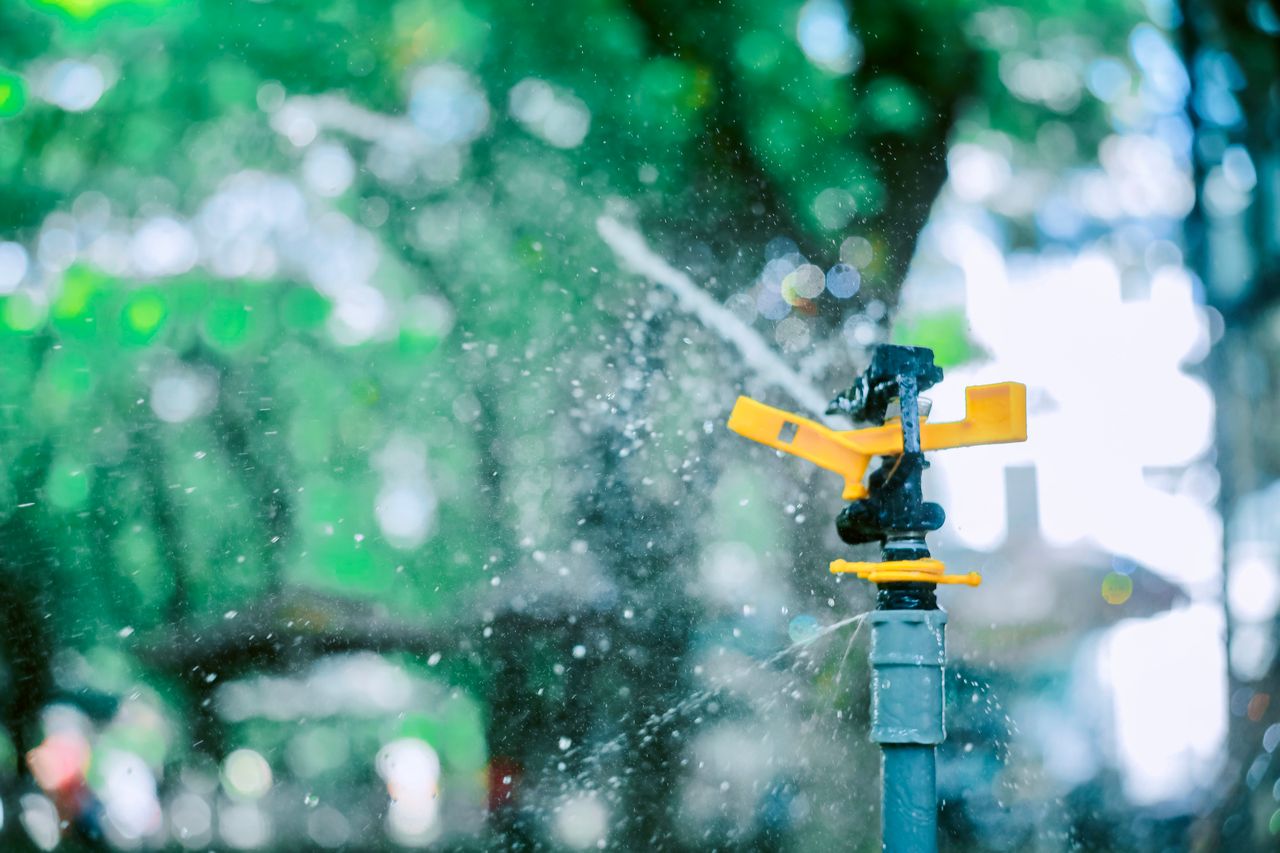
- Position sprinkler heads so they do not spray fences, siding, or windows
- Leave room near walls for drip lines or beds you might add later
When the timelines are synced, trenching for irrigation can happen before or along with the hardscape work. That means less cutting through finished surfaces and less damage to new grass or sod. It also gives you the chance to plan drainage around those new structures, so water flows away from your home and seating areas, not toward them.
In our local clay soils, poor planning around patios and walls can trap water right where you want things dry. Coordinating these pieces up front helps avoid puddles along edges, slick walkways, and stress on foundations.
Plan for Pools, Play Spaces, and Pet Areas
Pools and spas change everything about how a yard is watered. Decking, equipment pads, and fencing all affect where we can run lines and place sprinkler heads. If you add an irrigation system without thinking about a future pool, you are very likely to cut into pipes later.
For pool areas, we focus on:
- Adjusting zones so decking and coping stay dry
- Aiming heads to avoid blowing water into the pool
- Keeping lines away from heavy digging zones and equipment pads
- Planning drip or micro-spray irrigation for planting around the pool
Family spaces matter too. Play sets, sports areas, dog runs, and even future artificial turf all have their own water needs. In some spots, you might want no sprinklers at all so you do not end up with mud or wasted water.
Helpful planning tips for these high-use areas:
- Keep sprinkler heads out of heavy traffic paths to avoid trip hazards
- Create separate zones for dog runs or side yards so you can water less
- Cap or redirect zones where artificial turf might go later
- Use spray patterns that avoid soaking seating areas or fire pits
Thinking about shade versus sun is also important. Turf in full sun needs different watering than turf under trees or next to tall fences. Good zoning keeps each area healthier without overwatering others.
Integrate Drainage and Outdoor Lighting From Day One
North Texas clay soil does not drain quickly, and storms can drop a lot of water in a short time. When sprinkler lines and drainage lines are planned together, your yard can shed water better and stay healthier.
Drainage planning often includes:
- French drains along low spots or near foundations
- Surface drains in areas where water collects
- Grading that guides water away from patios and the house
When these are built with the irrigation layout in mind, we can sometimes share trenches or route lines so they do not cross in bad spots. This reduces digging and helps protect structures, beds, and lawns from standing water that can lead to plant stress or soft, messy areas.
Outdoor lighting is another piece that ties in nicely with irrigation planning. Low-voltage lines need to be buried and protected, just like water lines. When we think about lighting early, we can:
- Run lighting wire and irrigation lines in the same general corridors where it makes sense
- Keep electrical and water separate and safe
- Aim lights at key features like trees, paths, seating areas, and front entries
That way, you do not have to tear through your yard again to add lights after the sprinklers are in.
Time Your McKinney Installation for Lasting Results
Timing matters for sprinkler system installation in McKinney. Many homeowners like to use fall to design and install systems, then fine-tune spray patterns as plants settle in. By spring, the yard is ready to grow into the new setup and face the summer heat with a solid watering plan.
A typical simple timeline looks like this:
- Initial walk-through and discussion of your long-term backyard goals
- Master plan for irrigation, drainage, and coordination with hardscapes
- Installation before or alongside new patios, walls, or pools
- Final tweaks once plants, sod, and outdoor features are in place
Local watering rules, city codes, and backflow requirements in Collin and Denton Counties also affect design and scheduling. Planning ahead gives time to meet those rules and still get the system in before your yard is under peak stress from heat.
When homeowners in McKinney and nearby areas take this whole-yard approach, they end up with healthier landscapes, fewer repairs, and outdoor spaces that are easier to enjoy. At Fellows Irrigation Services, we focus on building efficient, durable systems that fit Texas codes and the way you actually use your yard, so your backyard projects and your sprinklers work together instead of competing.
Get Started With Your Project Today
If you are ready to upgrade your lawn’s health and efficiency, our team at Fellows Irrigation Services is here to help design and install a system that fits your property. Explore our sprinkler system installation in McKinney to see how we tailor solutions to your yard’s specific needs. Have questions or want a quote for your home or business? Simply contact us and we will walk you through the next steps.