Maximize Greenery in the Smallest McKinney Spaces
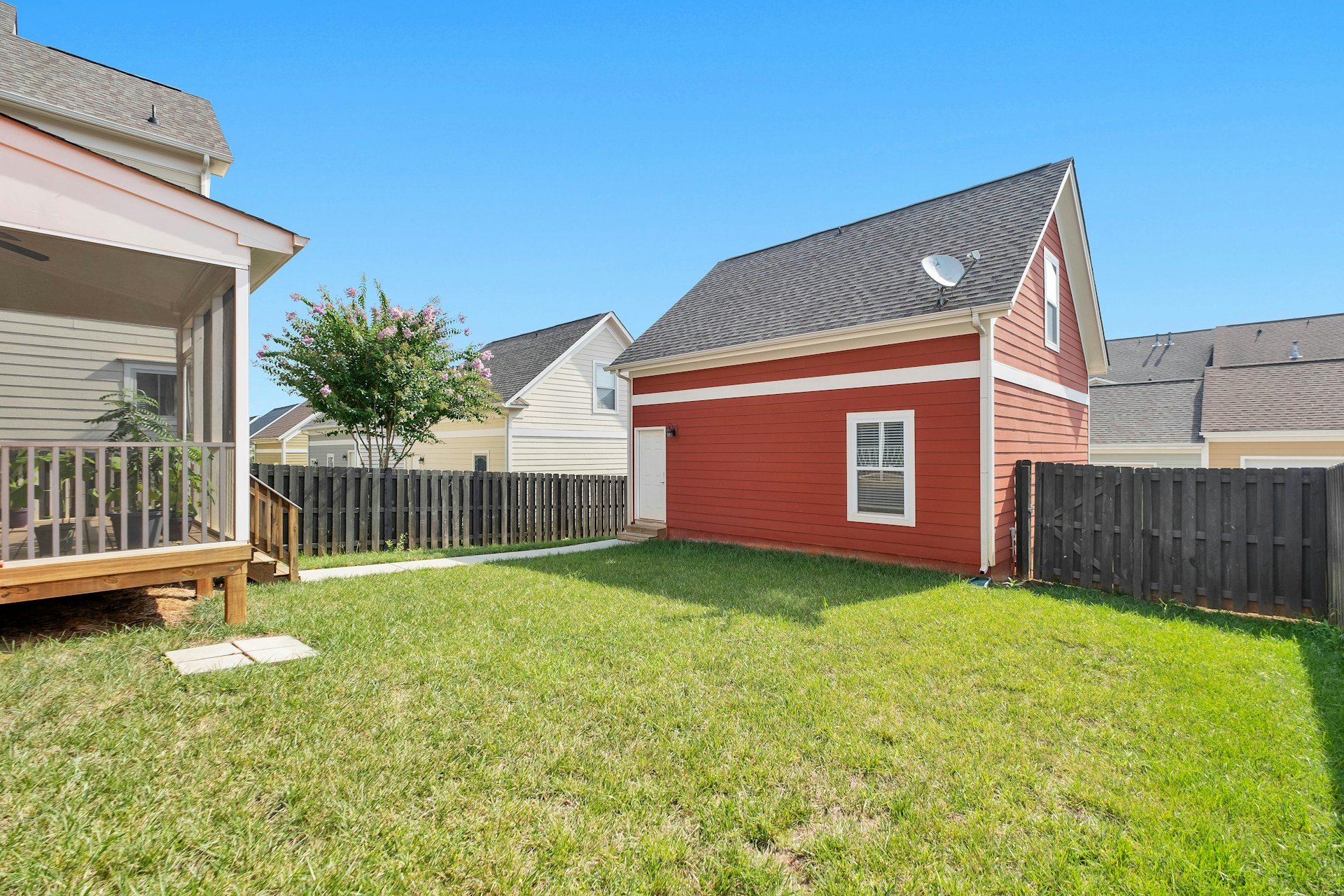
Tight yards are common in McKinney. Many homes have narrow side yards, courtyard patios, tiny front lawns, zero-lot-line properties, or townhome spaces squeezed between fences and driveways. These areas are hard to keep green with standard sprinklers. Water sprays on brick, neighbors’ fences, and sidewalks instead of soaking into the soil.
Drip irrigation fits these small, tricky spots very well. It delivers water right at the roots, which helps during North Texas watering limits and long dry spells. There is less overspray, less runoff on clay soil, and less waste. With the right design, small areas can stay green without soaking everything around them.
With professional drip irrigation installation in McKinney, cramped and dry corners can turn into low-maintenance planting areas. Over time, that means healthier plants, cleaner hardscapes, and less time spent dragging hoses into tight spaces.
Smart Layout Ideas for Side Yards and Narrow Strips
Side yards and long, skinny strips are some of the hardest places to water. Sprinkler heads do not fit well between walls, fences, AC units, and walkways. Drip lines can be shaped to fit those spaces instead of fighting them.
Good options for narrow areas include:
- Linear inline drip tubing that runs in a straight line along fences or driveways
- Simple dripline grids that weave back and forth in slightly wider beds
- Low-flow lines that hug the edge of foundations and planting borders
The spacing of emitters along the line matters a lot in these small zones. Tighter spacing works well for dense plantings or groundcovers, so the root zone gets an even soak. Wider spacing fits shrubs or spaced-out perennials, so each plant has its own “watering spot.” On the heavy clay soils common in Collin County, this kind of steady, slow watering helps keep water from running off onto concrete.
A few placement tips that help side-yard drip work well:
- Keep lines a safe distance from the foundation, instead of right against it
- Use pressure regulators and filters so each emitter gets even flow
- Add a shut-off valve for these narrow strips so they can run on their own schedule
With a separate valve, you can run side yard drip a bit longer during hot August days without overwatering the rest of the yard.
Compact Garden Beds and Planter Solutions That Thrive
Small corner beds, planters, and raised boxes can dry out fast in North Texas heat. Sprays often miss the roots or splash against walls, which is wasted water. Drip systems let each plant get exactly what it needs without soaking the whole area.
For compact beds and planters, we often use:
- Micro-tubing that runs from the main line to each container
- Adjustable bubblers that can be turned up or down for larger plants
- Single drip emitters at the base of each plant in a small bed
Instead of watering by “zone of yard,” it helps to group plants by water needs, especially when space is tight. For example, drought-tolerant shrubs can share one drip line with less frequent cycles. Seasonal color or tropical plants can go on another line with more frequent watering. This makes it much easier to set different run times on the controller and avoid overwatering plants that like it dry.
Drip can also blend into decorative features so your patio still looks clean:
- Under-gravel drip inside modern planters so the hardware is hidden
- Emitters tucked under mulch in front porch beds
- Low-profile fittings that stay out of the way of foot traffic
That way, patios and walkways stay dry and safe, but your containers and beds still get steady water.
Vertical and Porch-Friendly Drip Designs for Tight Yards
When ground space is tight, going up instead of out can add a lot of greenery. Vertical planters, trellises, and tiered pots are perfect for small McKinney patios and balconies. A simple drip line at the top can feed each level below with small emitters or micro-sprayers.
On vertical systems, we usually:
- Run one main drip line up a post, wall, or trellis
- Branch off with small tubes to each pocket or pot
- Add small stakes or clips to keep lines neat and in place
Lines can be routed neatly along railings, posts, and walls so the space still looks tidy. Hanging baskets, railing planters, and porch pots can all tie into one drip zone. That keeps the space comfortable to use, even when you have a lot of plants in a very small area.
Covered porches bring their own challenges. Shade-loving plants do not dry out as fast as those in full sun, but late-summer heat can still stress them. A gentle drip setup keeps soil moisture steady as temperatures peak, without creating puddles on porch floors. Balanced moisture is especially helpful for ferns, herbs, and shade plants that dislike constant swings between soaked and bone-dry soil.
Efficient Watering Schedules for North Texas Heat
Even a great drip layout needs the right schedule to work well. In North Texas, deep, less frequent watering usually helps plants build stronger roots, especially during hot months. Early-morning run times help reduce evaporation and work better with most local watering rules.
Different tight-space layouts may need different timing, even within the same yard:
- Narrow beds against hot west-facing walls may need shorter, more frequent cycles
- Shaded courtyard corners may do better with deeper, less frequent cycles
- Clay soil may need “cycle and soak” programming so water has time to soak in
Soil type can change how often you run your drip zones. Heavy clay holds water longer, so watering too often can cause soggy roots. Sandy or amended soils might need more frequent cycles with shorter run times.
Smart controllers and simple sensors work very well with drip in small yards. Weather-based controllers can adjust watering when we get a rare cool spell or a long heat wave. Rain and freeze sensors help systems stay off during storms or sudden cold snaps, which helps follow local rules and cut down on waste.
When to Call a Pro for Drip Irrigation Installation in McKinney
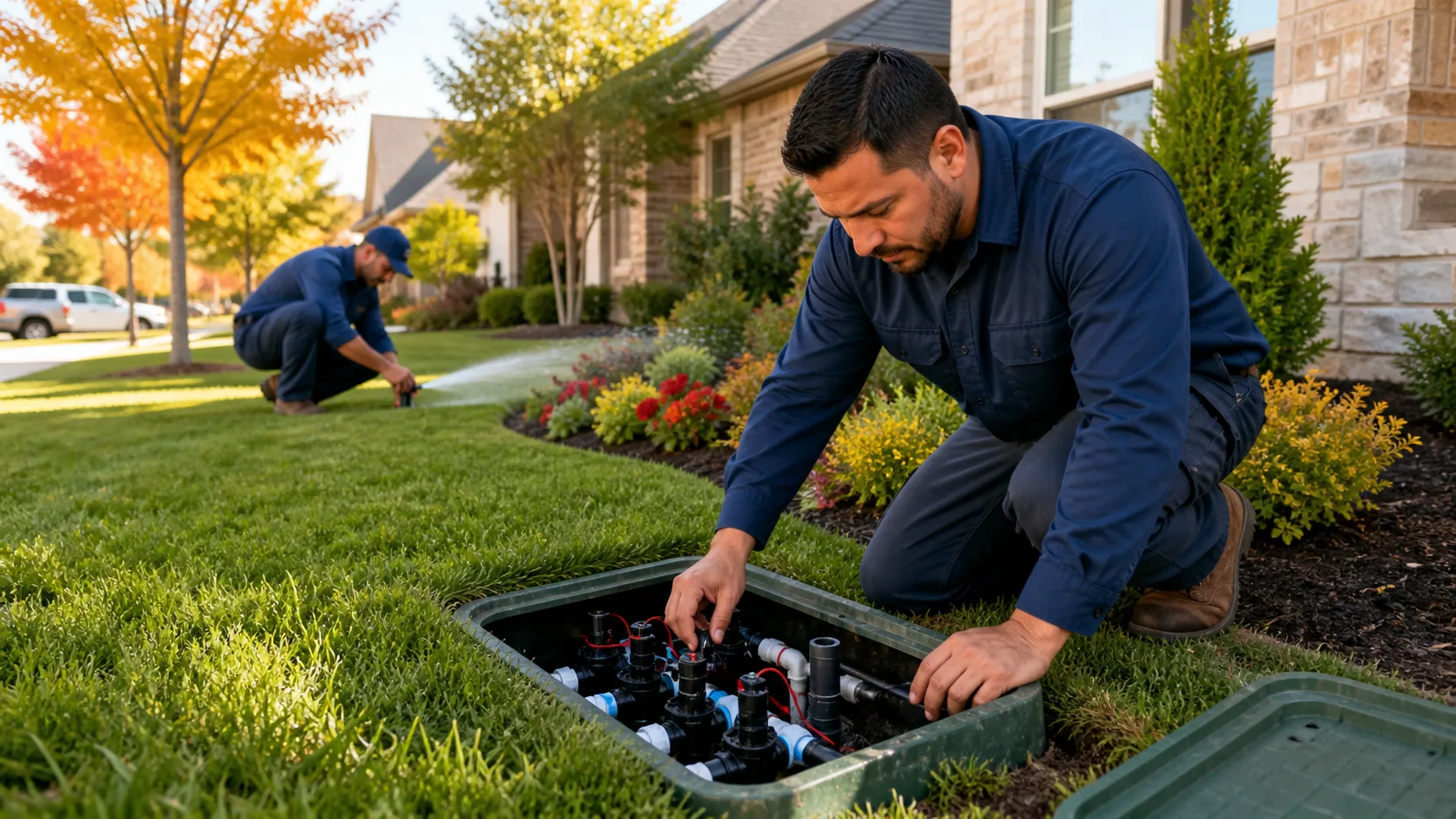
Some very small projects can be simple, like adding a short drip line to a single raised bed or a couple of planters near the front door. Once you start tying into an existing sprinkler system or feeding several tight spaces from the same source, things get more complex. Water pressure, pipe sizing, and proper zone layout matter a lot if you want even watering across the whole yard.
Projects that usually benefit from a licensed irrigation contractor include:
- Converting spray zones to drip in side yards or narrow strips
- Adding drip around AC units, driveways, and foundation beds
- Balancing water pressure for multiple drip zones in front and back yards
- Working near utilities or in tight zero-lot-line spaces
At Fellows Irrigation Services, we focus on designing drip systems that match the tight spaces and tough weather we see in Collin and Denton Counties. A good plan at the start can help with code requirements, protect your foundation, and keep plants healthier through heat, wind, and cold. When drip irrigation is designed with these small areas in mind, even the narrowest McKinney yard can feel greener, softer, and much easier to care for.
Get Started With Your Project Today
If you are ready to upgrade your landscape with efficient watering solutions, our team is here to help design and install a system tailored to your property. Explore our drip irrigation installation in McKinney to see how Fellows Irrigation Services can improve plant health and reduce water waste. When you are ready to move forward or have questions about your specific needs, simply contact us and we will help you plan the right solution.