Stop Wasting Summer Water on Weak Sprinkler Performance
Low water pressure in a sprinkler system shows up fast in a North Texas summer. The sun beats down, the clay soil dries out, and suddenly you notice dry rings around sprinkler heads or corners that never seem to green up. You may be watering longer and more often, but the lawn still looks stressed.
When pressure is too low, sprinklers cannot throw water as far as they were designed to. That leads to uneven coverage, thin turf in some areas, and soggy spots right around the heads. You can end up with higher water bills, brown patches that upset the HOA, and plants that never really root well.
The good news is that many low-pressure problems leave clear clues you can spot on your own. Some basic checks are safe for homeowners, while other problems are better handled with professional sprinkler system repair in McKinney. Knowing the difference saves time, water, and your yard.
How to Spot Low Pressure in Your McKinney Sprinkler System
Your system may be running every day, but that does not mean it is working well. Low pressure often looks like poor performance instead of an obvious break, so it helps to know what to watch for.
Common signs of low sprinkler pressure include:
- Sprinkler heads that barely pop up or stay stuck at half height
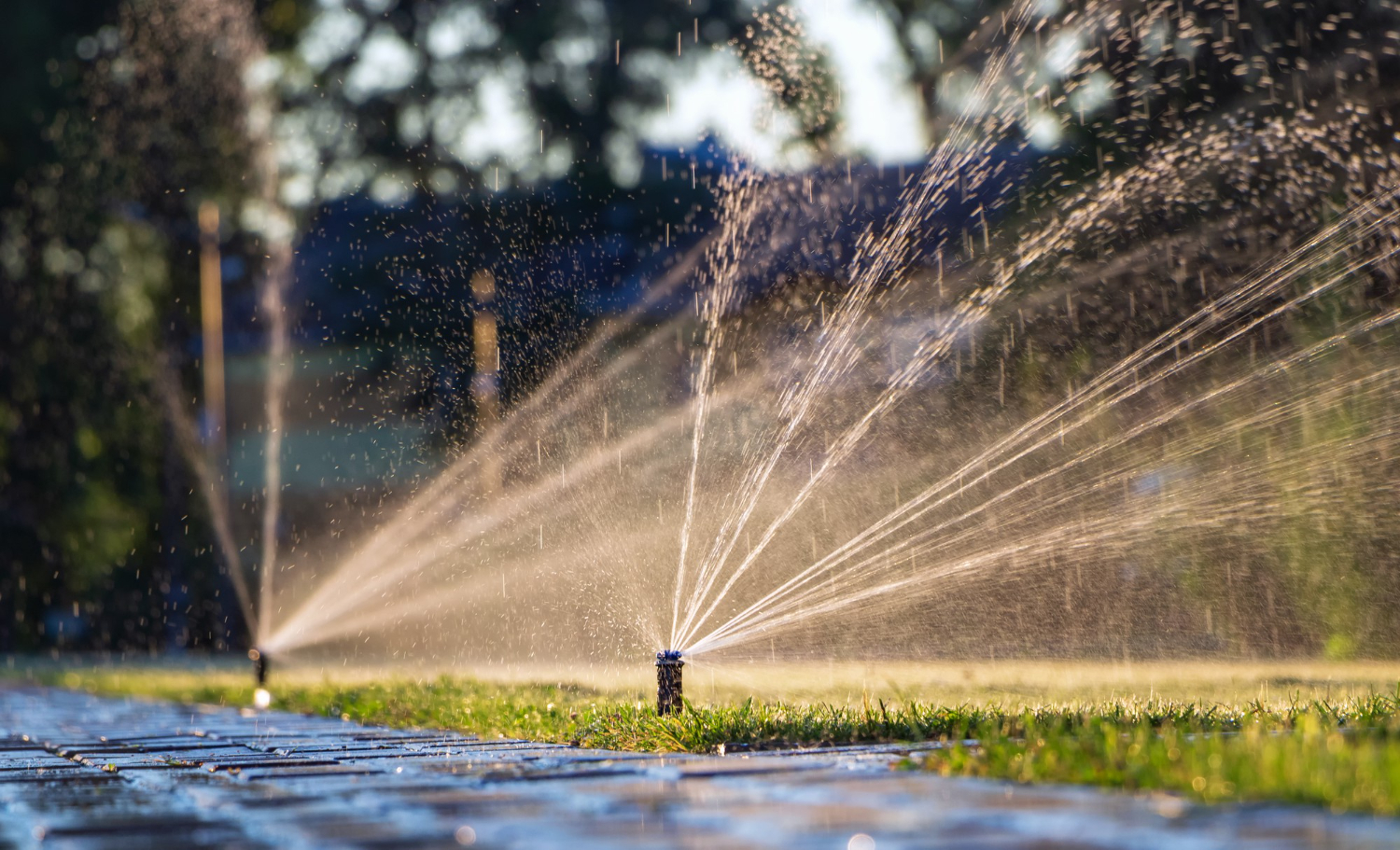
- A hazy mist instead of a steady, clear stream of water
- Rotors that turn partway, then stall or chatter
- Water that does not reach the full area the head is aimed at
Those symptoms quickly show up in the lawn and beds. You might see:
- Brown or crunchy spots in the far corners of a zone
- Turf that is thin or weak along edges and high spots
- Flower beds that stay soggy around the head but stay dry a few feet away
- Shrubs with wilted leaves on one side and healthy growth on the other
Catching low pressure early, especially at the start of summer, helps protect the root system of your grass and plants. Once roots are damaged, the yard has a hard time bouncing back, even if you fix the sprinklers later. Early attention can also help you avoid an emergency call when temperatures are highest and the system is needed most.
Common Causes of Weak Sprinkler Pressure in North Texas Yards
In our area, low sprinkler pressure is usually not just one thing. It is often a mix of age, soil movement, and hardware issues that slowly build up.
Some frequent causes include:
- Aging or undersized systems that were designed for smaller yards
- Added sprinkler heads over the years without updating the design
- Leaks from shifting clay soil that pulls fittings and joints apart
- Damage from tree roots pressing on lines underground
Hidden leaks are a big reason pressure drops. Clay soil swells when wet and shrinks when dry, which can crack older pipes. Fence work, patio projects, or even aeration can nick a line without anyone noticing at the time. Water may not bubble to the surface right away, but the lost pressure will show at the heads.
Supply and hardware problems can also play a big role:
- Partially closed shutoff or zone valves
- Dirty filters and clogged nozzles from hard North Texas water
- Mineral buildup inside heads that restricts flow
- Too many sprinkler heads running on one zone at the same time
Any one of these issues can make the system feel weak. When two or three show up together, performance really drops off.
Step-by-Step Homeowner Checks Before Calling a Pro
There are a few simple checks most homeowners can handle safely. These steps can help you see where the problem might be, even if you choose to have a licensed contractor handle the repairs.
Start with a basic inspection:
- Run each zone in daylight so you can see what is happening
- Walk the yard and look for signs of leaks, like soggy areas or running water in one spot
- Check that the main shutoff and backflow valves are fully open
- Watch for heads that do not rise all the way or barely spray.
Light cleaning and small adjustments may help some systems. Many people are comfortable with things like:
- Clearing grass and dirt from around heads so they can pop up
- Straightening heads that are tilted or sunken below soil level
- Gently removing debris caught in a nozzle screen, if it is easy to reach
Test one zone at a time and see if the pressure looks better on some zones than others. If only one or two zones are weak, the issue might be local to those areas. If the whole system is weak, it could point to a bigger supply or design problem.
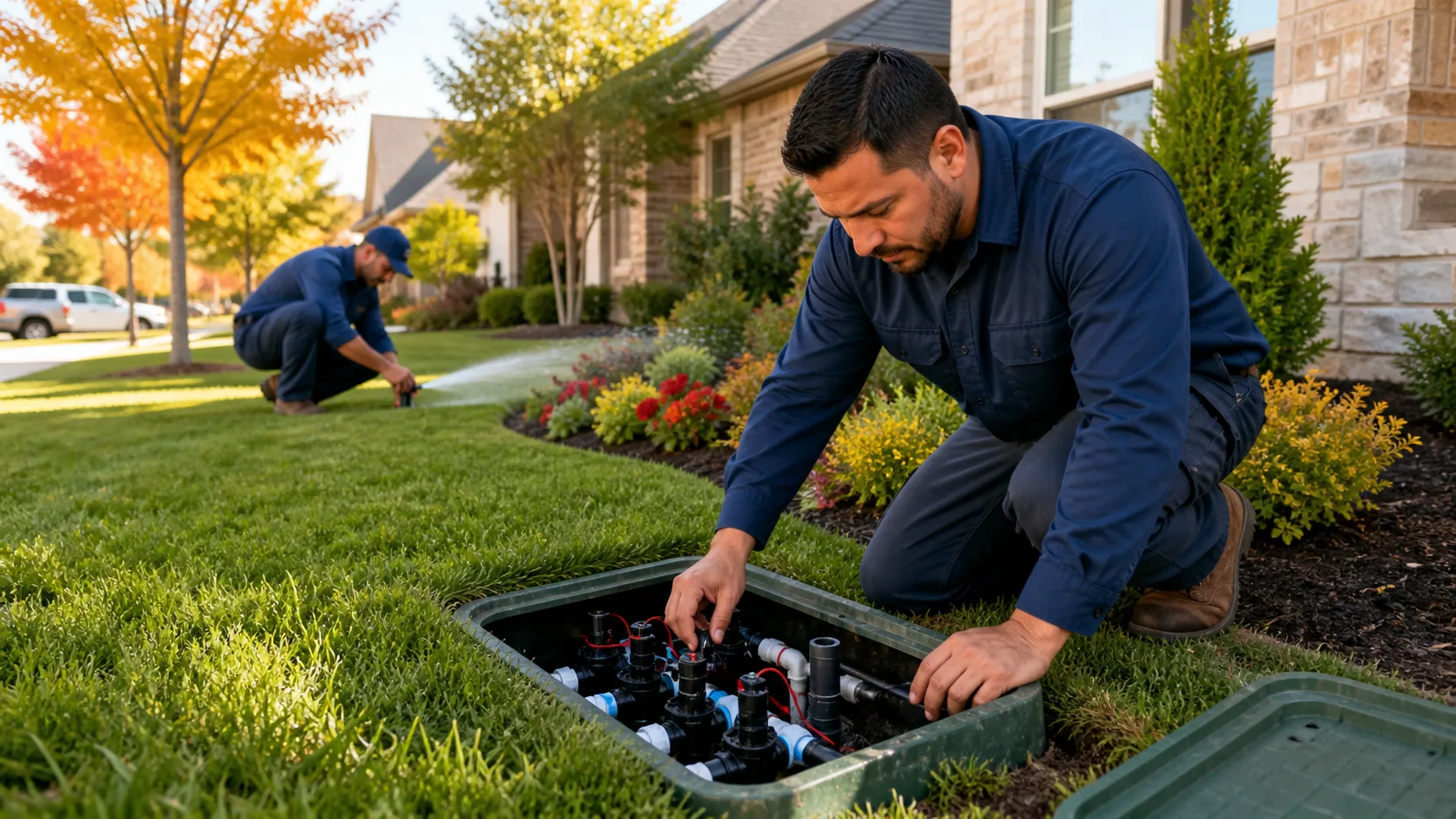
It is important to know when to stop. If you suspect an underground line break, notice water seeping near the foundation, see wiring problems at the controller, or are unsure about the backflow device, it is safer to bring in a licensed irrigation contractor. Professional sprinkler system repair in McKinney helps protect both your property and your plumbing.
When Seasonal Demand and City Supply Affect Pressure
Even if everything in your yard is working well, you can still feel the effect of high water use across the city. During hot weather, many homes and businesses water lawns early in the morning. That heavy demand can lower municipal pressure for a few hours at a time.
You may notice that your sprinklers look fine at midday when you test them, but they are weak during their normal early morning run. When city supply is under stress, there are a few ways to help your system perform better:
- Stagger your zone start times so fewer zones run at once
- Spread watering across different days within local watering rules
- Avoid stacking lawn, bed, and drip zones at the exact same time window
Some systems benefit from thoughtful upgrades that work better with city pressure changes. Pressure-regulated heads can help even out spray when supply fluctuates. Smart controllers can adjust run times based on recent weather and help you avoid overwatering. In some yards, a redesigned zone layout can reduce the number of heads per zone and relieve pressure problems.
These kinds of changes are often easiest with guidance from a local professional who understands typical water pressure patterns in Collin and Denton Counties.
Get Reliable Summer Watering with Local Expert Help
If you have tried basic checks and still see short spray, brown spots, or sputtering heads, it is probably time for a deeper look. Low water pressure rarely fixes itself, and waiting too long can stress turf and landscaping during the hottest stretch of the year.
As a family-owned, licensed irrigation contractor serving Collin and Denton Counties, we work every day with the local soil conditions, water pressure habits, and code requirements that affect your system. We help with sprinkler system repair in McKinney, system optimization, drainage improvements, and landscape lighting so your yard can handle both summer heat and sudden storms.
A mid-season system health check, pressure test, and tune-up can make a big difference in how your sprinklers perform for the rest of the year. With the right adjustments and repairs, you can protect your lawn, avoid wasted water, and enjoy more reliable watering across every zone in your yard.
Protect Your Lawn With Reliable Irrigation Solutions
If your sprinklers are wasting water, leaving dry spots, or not turning on at all, we can help restore your system quickly and correctly. At Fellows Irrigation Services, our team is ready to handle any sprinkler system repair in McKinney so your yard stays healthy and efficient. Reach out today through our contact page to schedule a convenient service appointment.