
Stop Wasting Water in McKinney’s Brutal Summer Heat
Watering a yard in a North Texas summer is tough enough without fighting your sprinkler system too. When the heat is high in McKinney, every minute of run time counts. A hidden leak or a stuck sprinkler valve can send water straight into the ground instead of onto your grass, while your water bill keeps climbing.
A failing valve can run all night, can keep a zone from turning on at all, or can leak slowly in a valve box where you rarely look. During peak watering months, that can mean hundreds of gallons lost and dry patches spreading across your lawn. In this guide, we will walk through what sprinkler valves do, how to spot trouble, simple checks you can do safely, and when it is time to bring in a licensed irrigation contractor for sprinkler valve repair in McKinney.
How Sprinkler Valves Protect Your North Texas Landscape
Every sprinkler zone in your yard is controlled by a valve. When the controller sends a signal, the valve opens, water flows to the heads, and your grass gets a drink. When the run time is over, the valve closes again so water does not keep seeping into the lines.
In North Texas, valves have to work harder than in milder areas. Heat, heavy clay soils, and city water pressure all put stress on:
- Valve bodies and internal parts
- Rubber diaphragms and seals
- Electrical solenoids and wiring connections
If a valve does not open all the way, spray is weak and some areas never get enough water. If it does not close fully, you might see constant dripping heads or soggy spots between watering days. Good valve performance helps:
- Keep coverage even from zone to zone
- Match your run times to local watering schedules
- Support healthy roots without overwatering or runoff
When valves are working the way they should, your system can follow McKinney watering rules while still protecting your lawn, trees, and flower beds.
Common Valve Failures in McKinney’s Summer Heat
Valve problems often show up right when you need water the most. Some of the most common signs of sprinkler valve trouble include:
- A zone that will not turn on, even though others work
- A zone that runs non-stop or comes on by itself
- Sprinkler heads with very weak spray in just one area
- Water pooling or bubbling up around a valve box
Summer heat plays a big part in these failures. The sun bakes the ground, and our clay soil shrinks and swells, which can shift pipes and stress valve bodies. Hard water can leave mineral buildup inside the valve. Rubber parts dry out, crack, or warp. Wiring insulation can get brittle, letting moisture creep into connections.
If you ignore these signs, things can get worse fast in July and August. Broken or leaking valves push your system to run longer, which raises your bill while turf browns out anyway. Too much water in one area can also soak the ground around your foundation. Timely sprinkler valve repair in McKinney helps you avoid dead spots, muddy areas, and extra stress on your home and landscape.
DIY Checks Before You Call an Irrigation Contractor
There are a few safe and simple checks you can do before calling for help. These do not require cutting pipe or opening complex valve setups, and they can sometimes reveal a quick fix.
Start with the controller:
- Make sure the current time and day are correct
- Confirm your watering start times and run times are what you expect
- Check that the zone in question is not turned off or skipped
Next, you can take a look at wiring at the controller and visible valve area. Is a wire clearly loose or disconnected? If you see broken insulation, rusted wire nuts, or a mess of splices, that is a sign that professional repair is needed.
If you can safely reach your valves, some also allow for manual operation:
- Turn the solenoid slowly by hand to see if the zone turns on and off
- If there is a small bleed screw, a quarter turn may let water flow briefly
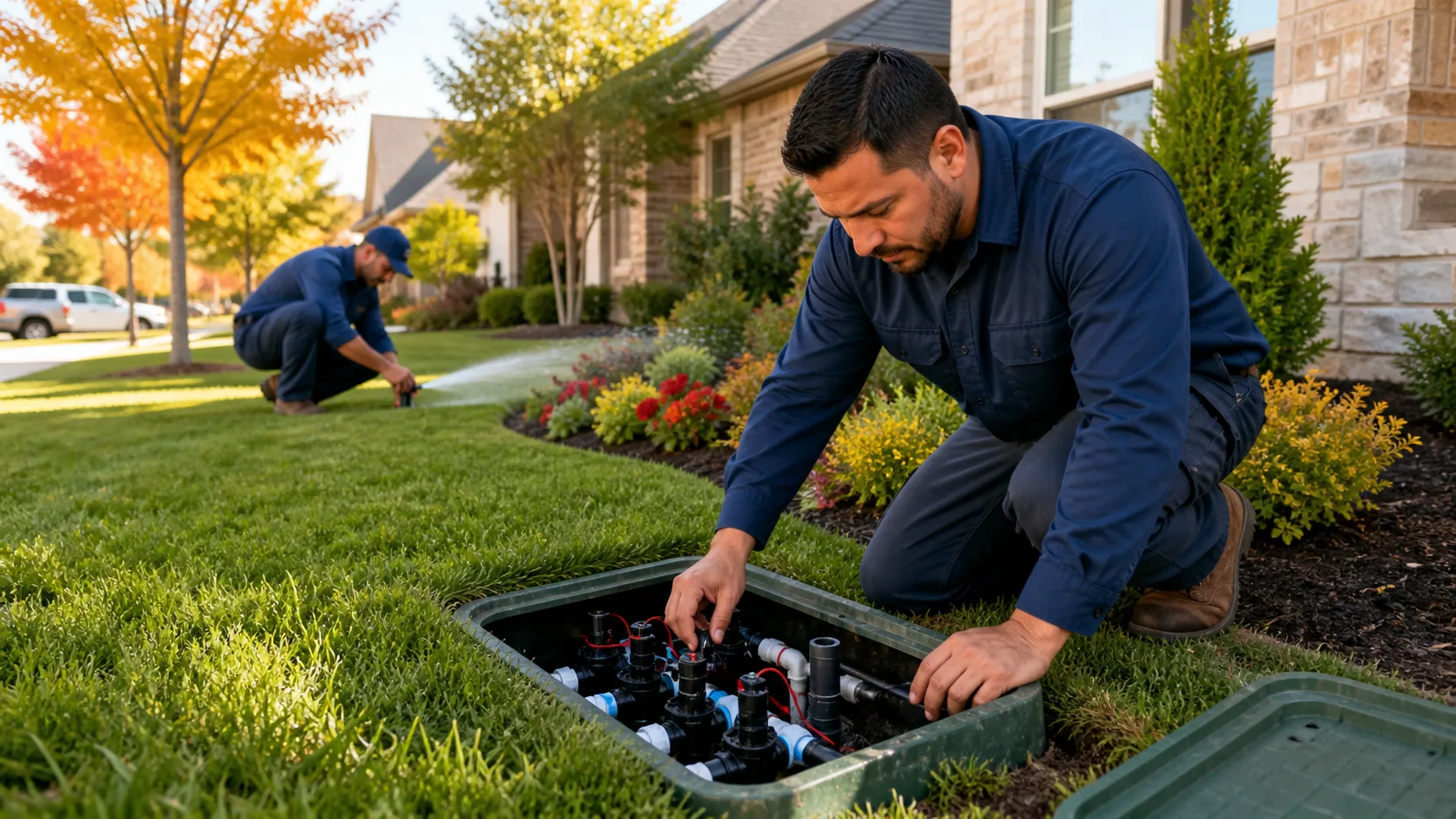
You can also inspect the valve box itself:
- Look for standing water in the box when the system is off
- Listen for hissing or trickling sounds
- Check that the box is not full of mud after a big storm
What should you avoid?
- Cutting or gluing any PVC pipe
- Rewiring low-voltage systems when you are not familiar with code
- Pulling apart crowded manifolds with multiple valves tied together
Those steps can create bigger leaks, hidden electrical faults, or code issues. At that point, it is safer and usually cheaper in the long run to let a licensed irrigation contractor handle the repair.
Professional Sprinkler Valve Repair in McKinney Explained
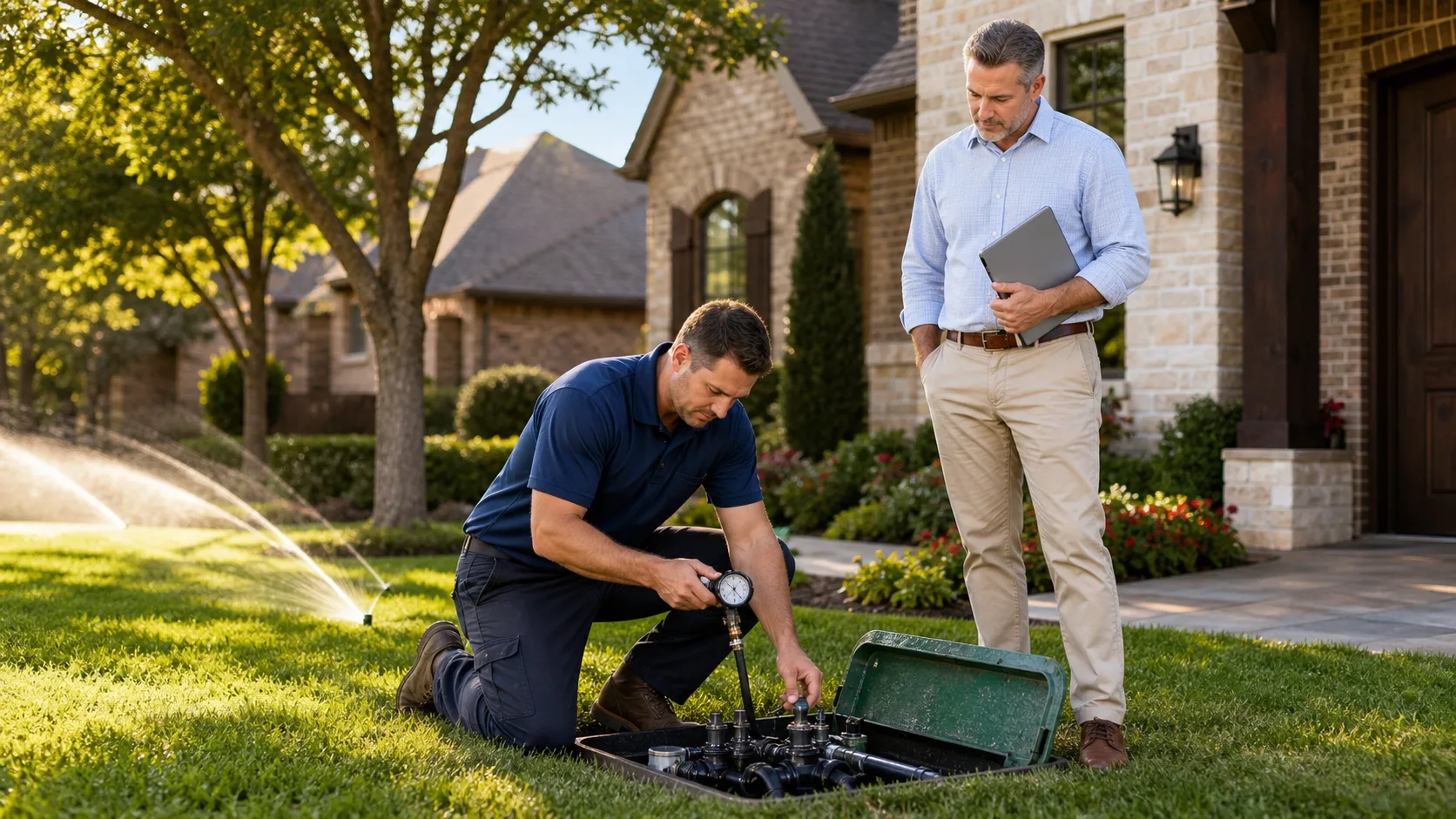
When a licensed irrigation contractor arrives, the first goal is to figure out if the issue is mechanical, electrical, or both. A careful technician will normally:
- Test the controller output for proper voltage
- Check water pressure at the main line and at the problem zones
- Isolate which valve or group of valves is causing the symptom
Once the problem area is found, common repairs include:
- Replacing bad solenoids that no longer open or close on command
- Swapping out worn diaphragms and seals that let water leak through
- Replacing cracked or damaged valves that are no longer reliable
- Cleaning up or rebuilding tight manifolds so water can flow correctly
- Fixing wiring runs and making waterproof splices to protect connections
During the summer, quick and correct repair matters. A pro can match parts to local water conditions and system design so they last longer in North Texas heat. They can also make sure the layout and wiring follow local code, which helps prevent repeat failures and keeps your system ready for the rest of the season.
Keeping Your Valves Working All Summer Long
A little prevention can save a lot of headache when the temperature climbs. You do not have to be an expert to keep an eye on your sprinkler valves. Simple habits go a long way:
- Do a full system run in late spring and watch each zone
- Open valve boxes to look for slow leaks or muddy soil
- After big rain events, make sure boxes are not full of water
- Flush lines when you notice clogged heads or cloudy water
Adjusting your controller during heat waves also helps. Slightly longer but less frequent run times can give water a chance to soak in without turning your yard into a swamp around valve boxes.
Many homeowners like to set up a regular service pattern with a trusted contractor. Options can include:
- Annual or semiannual checkups for valves, heads, and controller settings
- A mid-summer review to catch heat-related wear early
- Keeping notes of where each valve box is and what repairs were done
With this kind of plan, sprinkler valve repair in McKinney is less of a surprise and more of a quick tune-up. As a family-owned, licensed irrigation contractor serving Collin and Denton Counties, we focus on building and maintaining systems that handle North Texas conditions with less drama, so your lawn and landscape can handle the summer with confidence.
Get Started With Your Project Today
If your yard is showing signs of uneven watering or soggy spots, our team can help diagnose and fix the issue with expert sprinkler valve repair in McKinney. At Fellows Irrigation Services, we focus on long-lasting solutions that protect your landscape and your water bill. Reach out today through our contact page to schedule a convenient service appointment. We will assess your system, explain your options, and get your sprinklers working the way they should.