Protect Your Landscape From McKinney’s Tough Clay Soils
Watering a yard in McKinney is not as simple as turning on the sprinklers. Our heavy clay soils hold water tightly, drain slowly, and can stay soggy at the surface while roots underneath are still stressed. Without the right setup and care, you can end up with standing water in some spots and dry, cracked soil in others.
Seasonal irrigation system maintenance in McKinney keeps your system working with the soil instead of fighting it. With regular checkups, you can avoid root rot, bare patches, erosion along walkways, and surprise water bills. Different seasons bring different demands, especially with our temperature swings and sudden storms, so your irrigation, drainage, and even outdoor lighting all need attention at the right times.
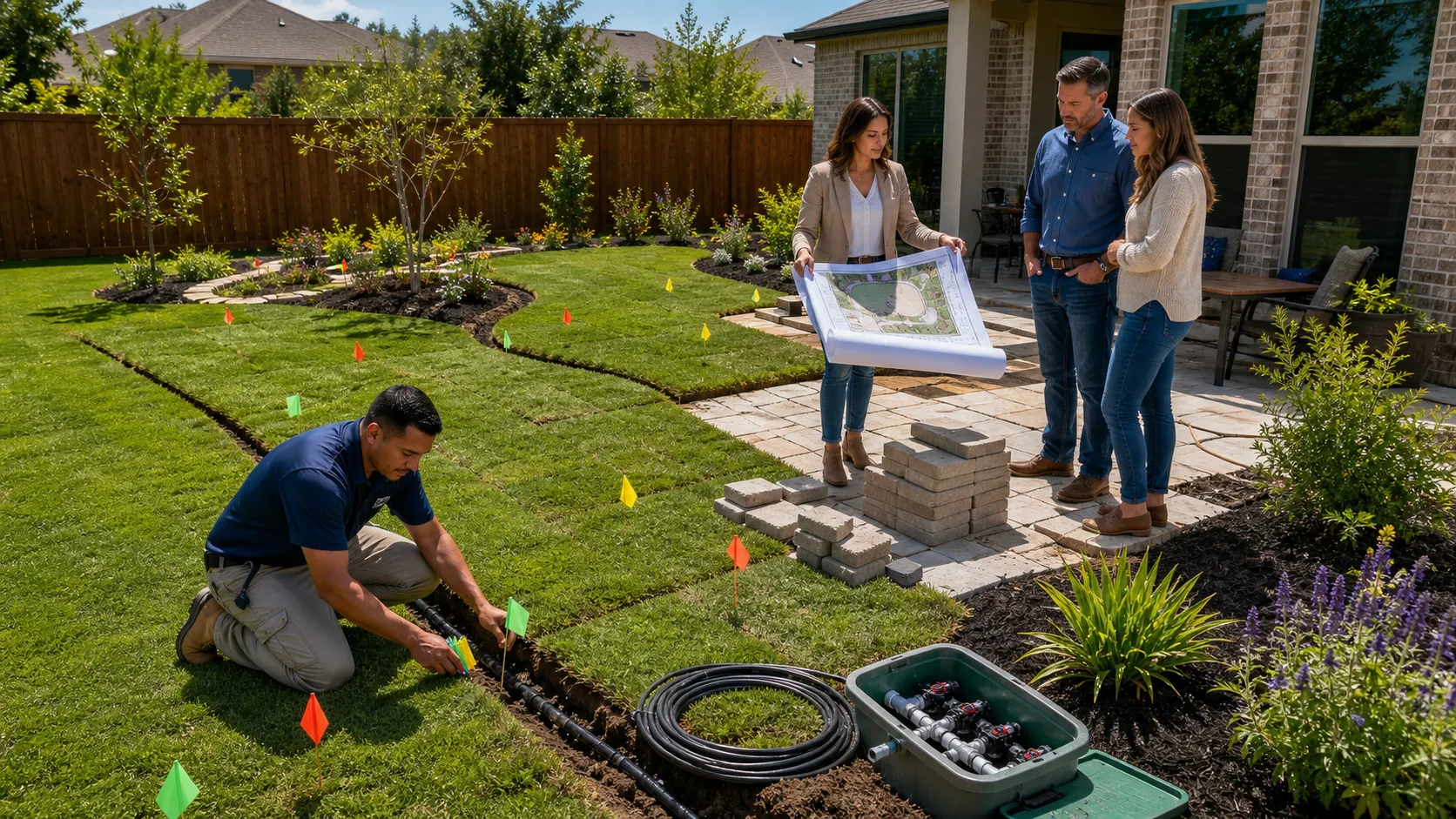
At Fellows Irrigation Services, we build and care for systems with these clay conditions in mind. Our goal is simple: dependable, long‑lasting performance that helps your lawn and landscape stay healthy through every season.
How McKinney Clay Soils Affect Your Irrigation System
Clay soil behaves very differently from sandy or loamy ground. When water hits clay, it tends to sit on top, run off, or soak in very slowly. That creates a few common problems:
- Slow drainage that keeps the surface wet long after watering
- Fast runoff down driveways, sidewalks, and slopes
- Compacted root zones that make it hard for roots to spread
- Uneven moisture so some areas drown while others dry out
All of this puts stress on turf, trees, and shrubs. Roots need both water and oxygen. In clay, too much water can push the air out of the soil, which can lead to yellowing leaves, weak growth, or dead spots.
Improper irrigation settings only make it worse. Long run times on spray heads can leave water standing on top of the soil. That can lead to:
- Fungus and mold problems in shaded or low areas
- Mosquito breeding in puddles and around drains
- Stains and cracking on hardscapes from constant runoff
- Water getting too close to slabs and foundations
Regular irrigation system maintenance in McKinney should always include soil‑aware adjustments, such as:
- Cycle-and-soak programming so water is applied in short bursts
- Careful head and nozzle selection to match flow to clay soils
- Pressure tuning so heads do not mist or overspray
Drainage design also plays a big part. On heavy clay, French drains, surface drains, and proper grading help move extra water away from patios, walkways, and structures so your irrigation is not fighting against trapped water in the yard.
Spring and Summer Tune‑Ups for Healthy Roots
Spring is the right time to wake your system up the smart way. A focused tune‑up helps you catch winter damage early and get ready for long, hot days.
A typical spring checklist includes:
- Inspecting and flushing lines to clear debris
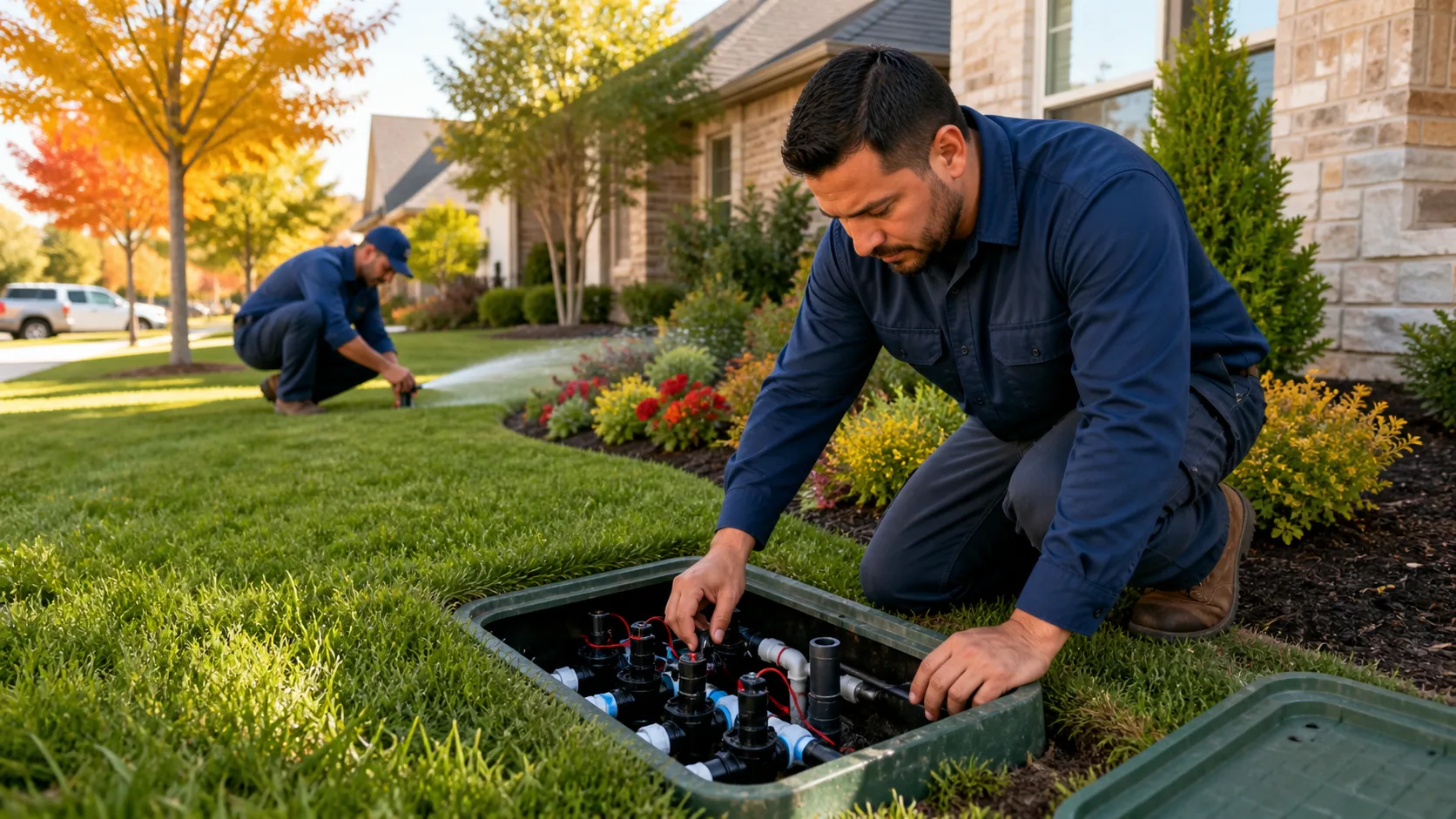
- Checking valves and backflow devices for proper operation
- Testing controllers and updating programs for new seasonal needs
- Cleaning or replacing clogged nozzles affected by minerals or soil
As we move into summer heat, priorities shift. Water use rules can tighten, plants are under more stress, and clay soils can crack on top while still holding moisture deeper down. Summer service should focus on:
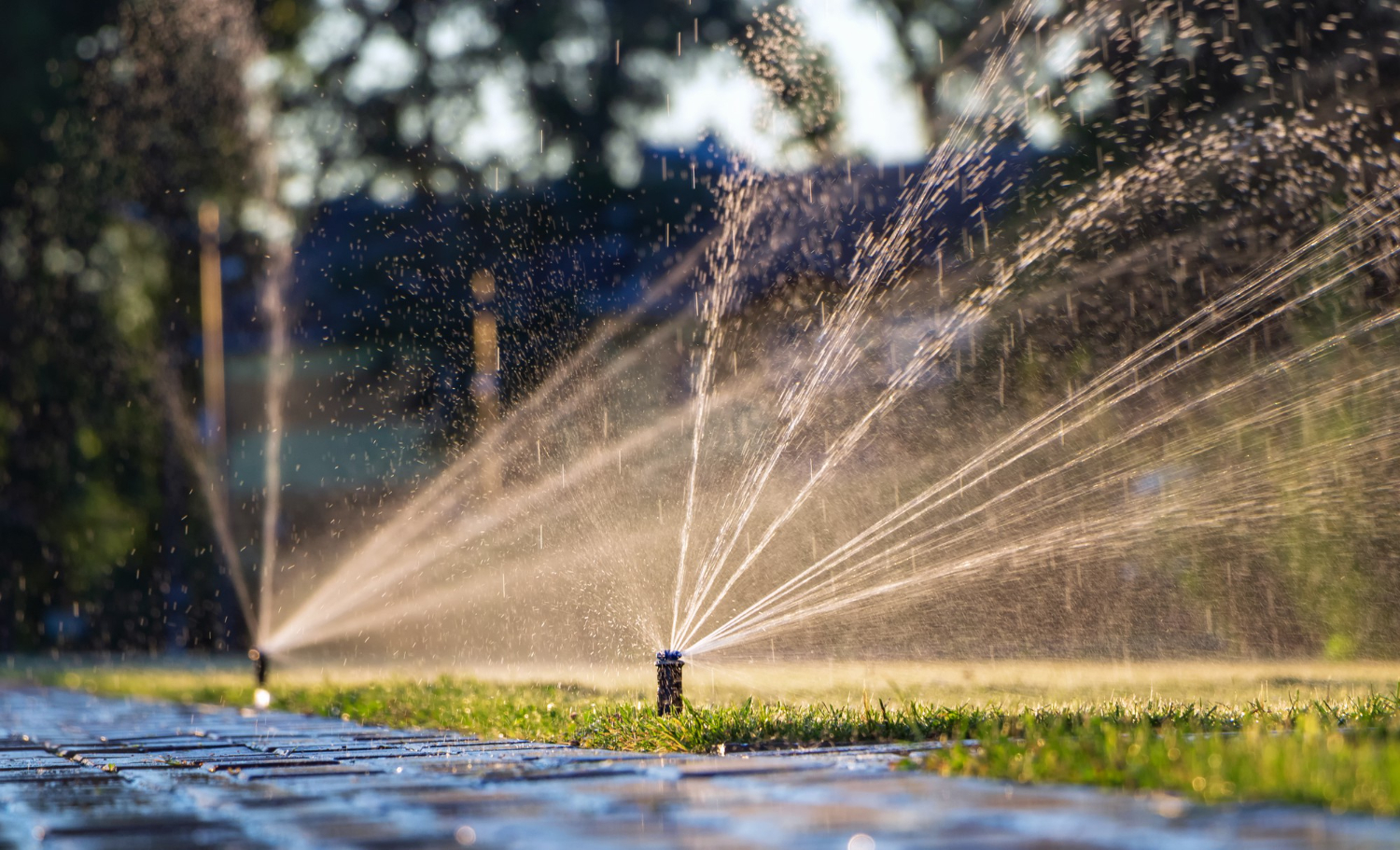
- Verifying even coverage so there are no dry stripes or soaked corners
- Adjusting schedules for any drought restrictions in your area
- Setting watering times for early morning to reduce evaporation
- Preventing overwatering that leads to soft, muddy clay
During these visits, technicians look at each zone, not just the system as a whole. We fine‑tune run times and patterns based on:
- Plant types, such as turf vs. beds vs. trees
- Sun exposure, full sun vs. part shade
- Slope and low spots that may collect water
Those details matter with clay soils. Shorter, repeated cycles can keep roots hydrated without creating runoff or standing water.
Spring and summer are also the best times to check drainage. When storms roll through, clay cannot absorb large bursts of rain quickly. Folding in drainage checks and small repairs helps prevent puddles around:
- Patios, decks, and pools
- Driveways and walkways
- Foundations and low corners of the yard
Fall and Winter Prep to Prevent Costly Damage
As days cool and get shorter, your yard simply does not need as much water. If you keep running a summer schedule on clay soil in fall, the result is soft, soggy turf and a higher chance of fungus and disease.
Fall maintenance should include:
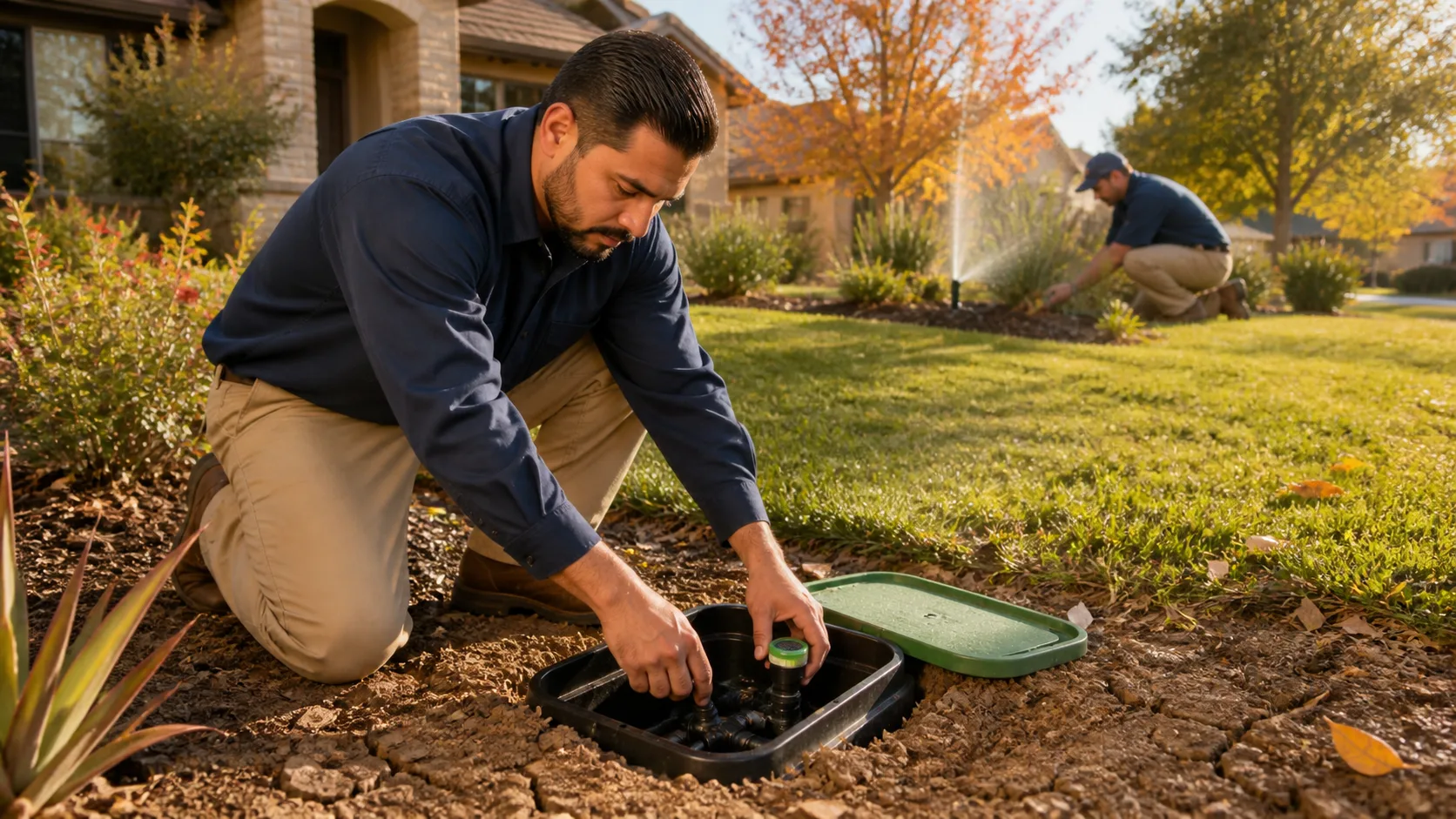
- Inspecting for leaks after heavy summer use
- Checking low spots and beds for chronic pooling
- Cleaning out drainage grates and inlets
- Reprogramming controllers for reduced run times and fewer days
Clay soils tend to stay cold and wet longer, so cutting back at the right time protects roots and keeps the lawn from staying saturated.
Winter care in North Texas is different from colder regions. Full system blowouts are not always needed, but you still want to protect exposed parts when hard freezes hit. Good winterization practices include:
- Insulating exposed pipes and backflow units
- Protecting vulnerable components that sit above ground
- Adjusting controllers during freeze events to avoid watering icy soil
Outdoor lighting also deserves attention before the shorter, darker months. In clay yards, water can gather around fixtures if drainage is poor. A lighting check should cover:
- Inspecting fixtures and lenses
- Checking wiring and connections
- Making sure drainage around lights is clear to avoid standing water and electrical risks
Professional Maintenance vs. DIY in Clay Soil Yards
There are a few simple things a homeowner can do on their own. You can:
- Look for broken or tilted heads spraying into the street
- Watch zones run and spot obvious dry or wet areas
- Make basic changes to your controller schedule
- Gently clean a clogged nozzle you can easily reach
But clay soil brings some hidden challenges that are hard to catch without training and proper tools. Professional irrigation system maintenance in McKinney usually includes:
- Pressure and flow testing to see how water moves through the system
- Zone‑by‑zone performance checks above and below the surface
- Adjustments to heads, nozzles, and valves based on how the clay soil behaves
Experienced crews can often spot early signs of bigger problems, such as:
- Subsurface leaks that do not show up as clear puddles
- Uneven settling in clay that pulls pipes or heads out of alignment
- Drainage slopes that are just slightly off but cause ongoing issues
Catching those issues early can save time and reduce the need for emergency repairs. A well‑maintained system also tends to last longer, keeps landscapes healthier, and helps you stay in line with local watering rules and backflow requirements.
Keep Your McKinney Irrigation System Season‑Ready
Heavy clay soils and North Texas weather are not kind to neglected irrigation systems. Without seasonal care, it is easy to end up with stressed plants, soft muddy areas, erosion, and higher water use than you really need. Working with the soil, not against it, is the key to keeping your yard in good shape.
At Fellows Irrigation Services, we design, install, repair, and maintain irrigation, drainage, and outdoor lighting with McKinney clay in mind. Routine checkups at least twice a year, usually in spring and fall, plus extra service during extreme heat or after major storms, help keep everything running smoothly. With the right seasonal maintenance plan, your irrigation system can support a healthy landscape and protect your property through every season.
Keep Your Landscape Healthy With Expert Irrigation Care
If you are ready to stop worrying about dry spots and unexpected leaks, let Fellows Irrigation Services handle your irrigation system maintenance in McKinney. We will inspect, repair, and fine-tune your system so it runs efficiently and protects your lawn and landscaping. To schedule service or ask a question, simply contact us and we will help you choose the right maintenance plan for your property.