Stop Wasting Water with Smarter Sprinkler Drainage Audits
Water that runs down the street or pools against your house is not helping your lawn. In North Texas, a lot of sprinkler problems show up as runoff, soggy spots, and dry patches, all in the same yard. A smart sprinkler drainage audit looks at how your system and your soil work together so you can fix issues without tearing everything out.
In this article, we walk through how our local weather in Collin and Denton Counties exposes weak spots, simple ways to spot runoff paths and overwatering zones, and the smart adjustments that usually solve them. You will see how good sprinkler system maintenance in McKinney can protect your yard, your foundation, and your water bill.
How North Texas Weather Exposes Sprinkler Weak Spots
North Texas summers are hot and dry most days, then we get short, heavy storms. On top of that, watering rules in many cities limit how often you can run your sprinklers. Our clay soils in Collin and Denton Counties get rock hard when dry and slick and sticky when wet. They do not soak up water very fast.
That mix creates problems when a sprinkler system is not tuned just right. Small issues like:
- Misaligned or sunk spray heads
- Low water pressure in some zones
- Poor coverage in corners or along edges
- Heads that spray onto concrete instead of grass
can quickly turn into bigger trouble. Water runs off the surface instead of soaking in, which can cause:
- Erosion on slopes and in flower beds
- Standing water near patios and foundations
- Soil washing away from roots and exposing them
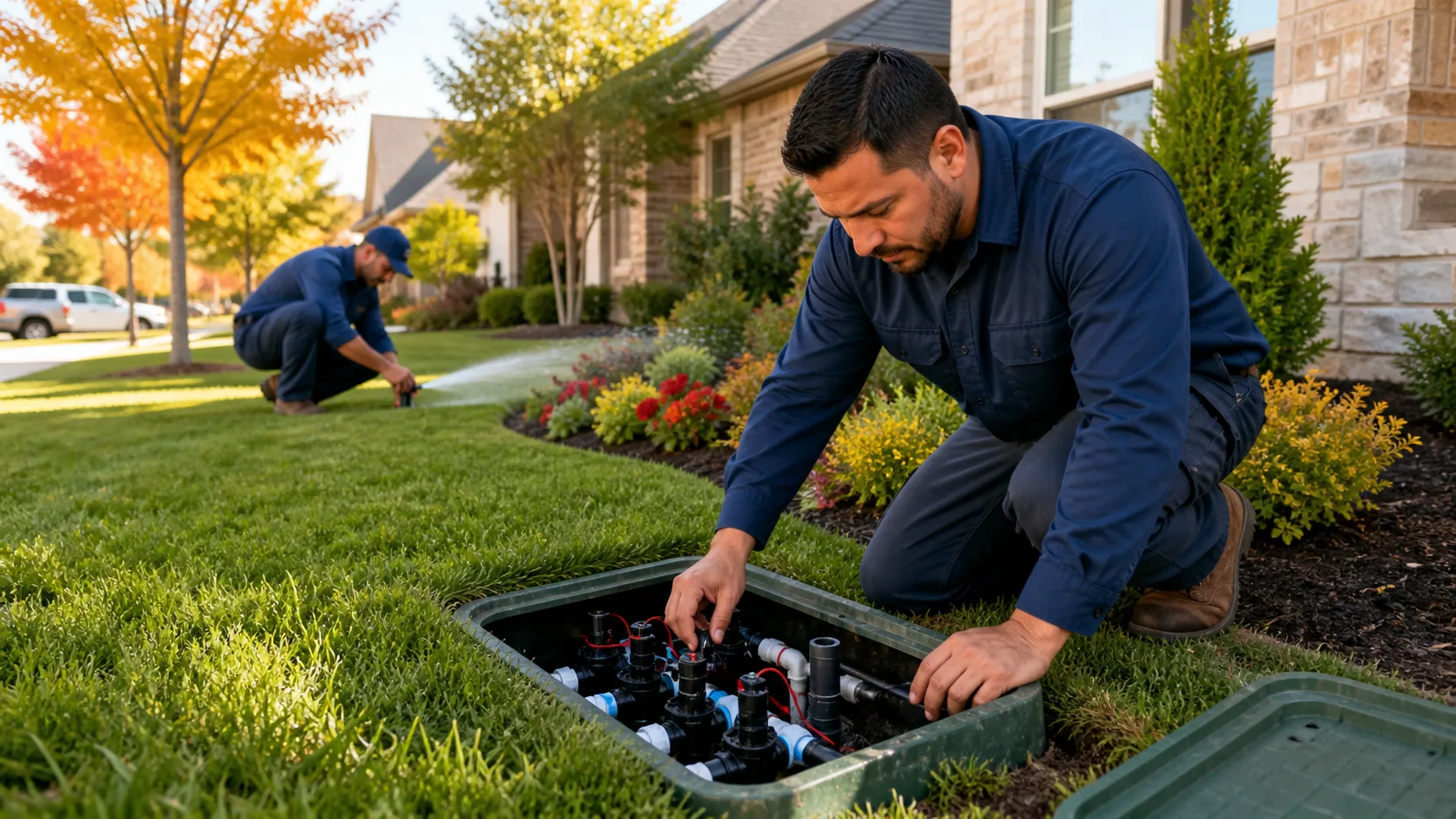
Regular sprinkler system maintenance in McKinney is less about big changes and more about timing and small checks. A quick tune-up before late summer, and again when watering rules tighten, can keep those weak spots from turning into bare dirt or cracking soil around your foundation.
Easy Ways to Spot Runoff Paths and Overwatering Zones
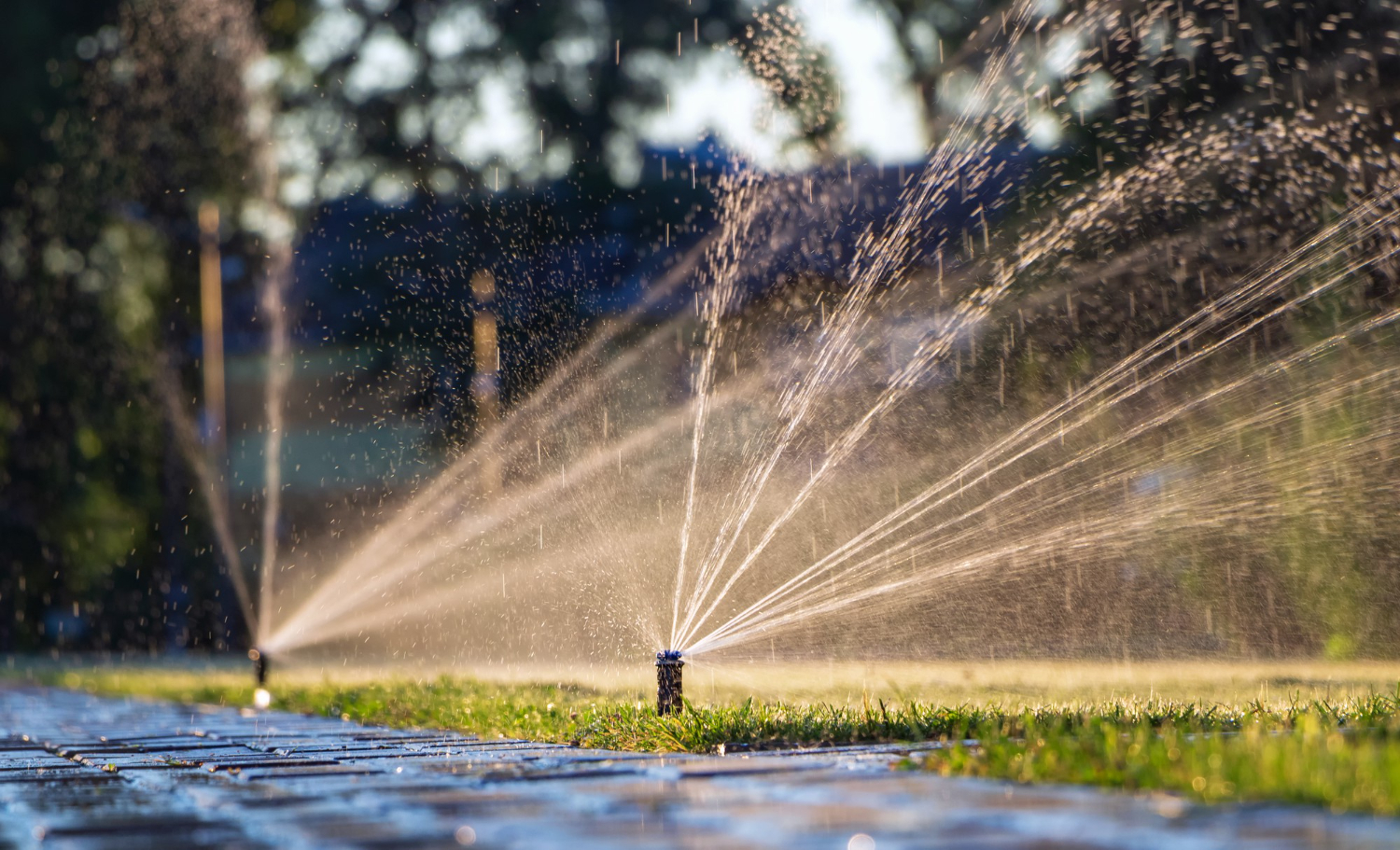
You can learn a lot by watching your system run. Pick a cool part of the day, early morning or evening. Run each zone by itself for a few minutes and walk the yard slowly.
Look for these signs:
- Water flowing off the lawn onto sidewalks or the street
- Thin streams running along the edge of driveways
- Puddles that start forming before the zone finishes
- Spray reaching fences, windows, or the side of the house
Then check the ground more closely. Common clues of overwatering include:
- Turf that feels spongy or squishes under your shoes
- Algae or dark green stains on concrete or stone
- Bare spots where mulch or soil has washed away
- Mushrooms or fungus that keep coming back
- Strips of grass that grow much faster and taller than the rest
Try to trace each problem back to a source. Is it from one head that is tilted or too low? A slope where water always moves in the same direction? A broken fitting or drip line? Take notes by zone and snap a few photos. That simple record makes a full audit, and any professional visit, much more targeted and efficient.
Smart Sprinkler Adjustments That Fix Runoff Without Replacement
The good news is that many runoff issues come from things that can be adjusted, not from the whole system being “bad.” During a smart sprinkler drainage audit, the focus is on fixing what you have and only upgrading what truly needs it.
Common low cost adjustments include:
- Raising or lowering heads so they sit level with the turf
- Rotating spray patterns so water stays on the grass, not the concrete
- Swapping nozzles so each head in a zone applies water at a similar rate
- Adjusting arc and distance so you are not watering fences or streets
Your controller plays a big part too. A lot of older schedules run too long in each cycle, especially on clay soil. Shorter run times with a cycle and soak pattern often work better. That means you water the same zone twice or three times for shorter periods, with breaks in between so the soil can soak it up.
Smart tools can help reduce runoff and still keep lawns green:
- Smart controllers that adjust run times by season or recent weather
- Rain sensors that pause watering after storms
- Soil moisture sensors that stop zones that are already wet
- Pressure regulation to keep spray even across the system
Many older systems around McKinney and nearby cities can use some of these tools without a full redo. Thoughtful repairs and add-ons help protect the money you already spent on your system.
When Poor Drainage Is the Real Problem, Not the Sprinklers
Sometimes, no matter how carefully you water, certain spots stay wet or never drain well. In those cases, the issue is not only the sprinklers, it is the drainage. Our heavy clay soils, lot grading, and roof runoff can push a lot of water into the wrong places.
Here are simple ways to spot drainage trouble:
- Water that is still standing 24 to 48 hours after a storm
- Low spots near patios, walkways, or around the foundation
- Turf or plants that keep dying in the same wet area
- Mulch beds where soil keeps washing onto concrete
You may also notice downspouts emptying right where your irrigation already applies water. That double load can drown grass and send water toward the house.
Drainage solutions can include French drains, surface drains, or shallow swales that guide water away. Redirecting or tying downspouts into drain lines often keeps roof runoff from overwhelming your yard or sprinkler zones. When we combine drainage work with a sprinkler audit, the system can run less often and still give better results, because the soil is not waterlogged all the time.
Seasonal Sprinkler System Maintenance in McKinney That Pays Off
A simple yearly plan keeps things from piling up. In our area, a lot of properties do well with a three-step routine:
- Spring: Start up check to find leaks, clogged heads, and broken parts
- Mid summer: Drainage and efficiency audit while the system is working hardest
- Fall: Adjustments before the first freeze and before grass slows down
Late July is a smart time for a deeper look. At that point, you can:
- Shorten run times as roots go deeper and days slowly shorten
- Add or fine tune cycle and soak programs
- Confirm that rain or moisture sensors still work and are not covered or damaged
- Walk the yard to check drainage ahead of late-summer storms
Staying on top of sprinkler system maintenance in McKinney helps your system match Texas code and local rules, lowers the risk of surprise water bills, and protects your landscaping and foundation from long-term damage. Regular audits keep your existing system working longer instead of sending you straight to full replacement.
Protect Your Lawn With Reliable Sprinkler Care
If you are ready to keep your landscape healthy and avoid costly repairs, our team at Fellows Irrigation Services can help with professional sprinkler system maintenance in McKinney. We inspect, adjust, and repair your system so it delivers the right coverage and uses water efficiently. To schedule service or ask questions about your system, simply contact us today.